
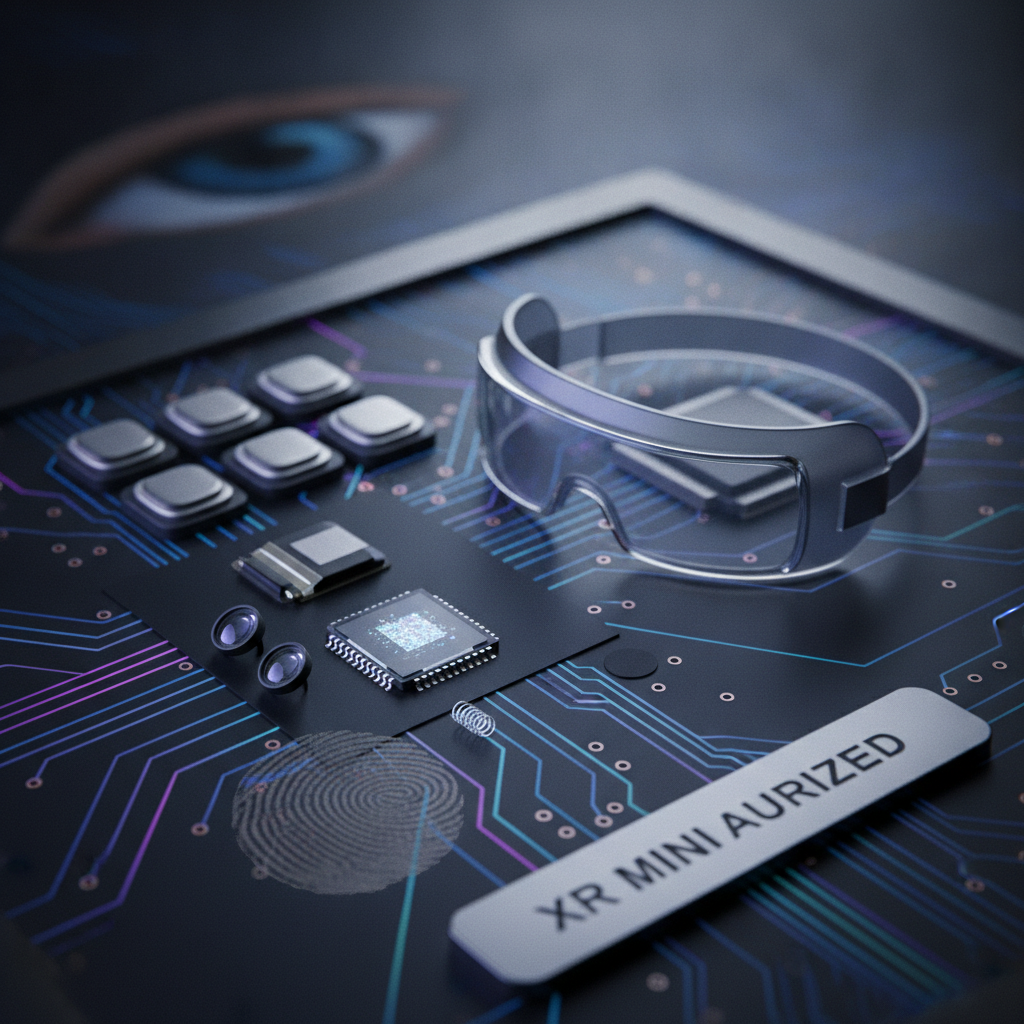
XR Gets Smaller: The Future of Miniaturization
Hey XR enthusiasts and tech explorers! Have you ever wondered what the future of virtual and augmented reality looks like? While stunning graphics and immersive experiences often steal the spotlight, there’s a quiet revolution happening behind the scenes: the incredible miniaturization of Extended Reality (XR) hardware. This isn’t just about making things smaller; it’s about making XR truly ubiquitous, comfortable, and seamlessly integrated into our daily lives.
Why Miniaturize XR? More Than Just Looks!
The bulky headsets of early VR and even some current AR devices are often a barrier to widespread adoption. Miniaturization tackles this head-on, offering a multitude of benefits:
- Comfort & Aesthetics: Lighter, sleeker devices are far more comfortable for extended use and look less conspicuous, boosting social acceptance. Imagine XR glasses that look almost indistinguishable from regular eyewear!
- Portability: Smaller hardware means easier transport and more spontaneous use. From your living room to a coffee shop, your XR experience can come with you.
- Power Efficiency: Miniaturized components often require less power, extending battery life – a crucial factor for untethered XR.
- New Use Cases: As devices shrink, new applications emerge. Think medical wearables, industrial aids, or truly unobtrusive everyday assistants.
Key Technologies Driving Miniaturization
Achieving smaller, more powerful XR devices is a complex dance between several cutting-edge technologies:
Advanced Optics: The Eye of the Storm
Traditional lenses are bulky. The future lies in innovations like “pancake lenses” that fold light paths to reduce depth, and diffractive waveguides which can project images directly onto transparent surfaces within very thin form factors. Micro-LED displays are also critical, offering incredibly high resolution and brightness in tiny footprints, making those vibrant virtual worlds possible without adding bulk.
Tiny but Mighty Processors & Electronics
The brains of XR devices are becoming incredibly compact. Custom System-on-Chips (SoCs) are integrating CPUs, GPUs, and specialized AI accelerators onto a single chip, optimizing performance for XR’s demanding real-time processing needs while consuming less power. Advanced packaging technologies also allow for more components to be packed into smaller spaces without sacrificing performance or thermal management.
Sensors Shrinking for Smarter Interaction
From tracking your head movements to understanding your hand gestures and even your eye gaze, XR relies heavily on sensors. Miniaturized, low-power cameras, Inertial Measurement Units (IMUs), and specialized depth sensors are becoming smaller and more efficient, allowing for precise interaction and world understanding without adding significant size or weight to the device.
The Road Ahead: Challenges and Opportunities
While the progress is astounding, miniaturization isn’t without its hurdles. Heat dissipation in tiny enclosures, maintaining optical quality at reduced sizes, and balancing power consumption with performance demands are ongoing challenges for engineers. The cost of manufacturing these cutting-edge, highly integrated components can also be a barrier to entry for consumers.
However, the opportunities are immense. The promise of XR glasses that are indistinguishable from regular eyewear, providing context-aware information, telepresence, and immersive entertainment without being a cumbersome piece of tech, is incredibly exciting. As hardware continues to shrink, XR will undoubtedly become less of a separate gadget and more of an integrated layer of our digital and physical realities.
So, next time you see a sleek new XR concept, remember the incredible engineering feat of miniaturization happening beneath the surface. It’s truly paving the way for a future where XR isn’t just amazing, but also incredibly accessible and elegantly integrated into our lives!



Leave a Reply