

The New Space Race: Satellite Constellations Take Flight
Remember when space exploration was mostly about governments launching massive rockets and probes? Well, buckle up, because a new, exciting, and *commercial* space race is well underway, and it’s all about satellite constellations! This isn’t just about reaching for the stars; it’s about blanketing our planet with connectivity and data from above.
What Are These Constellations Anyway?
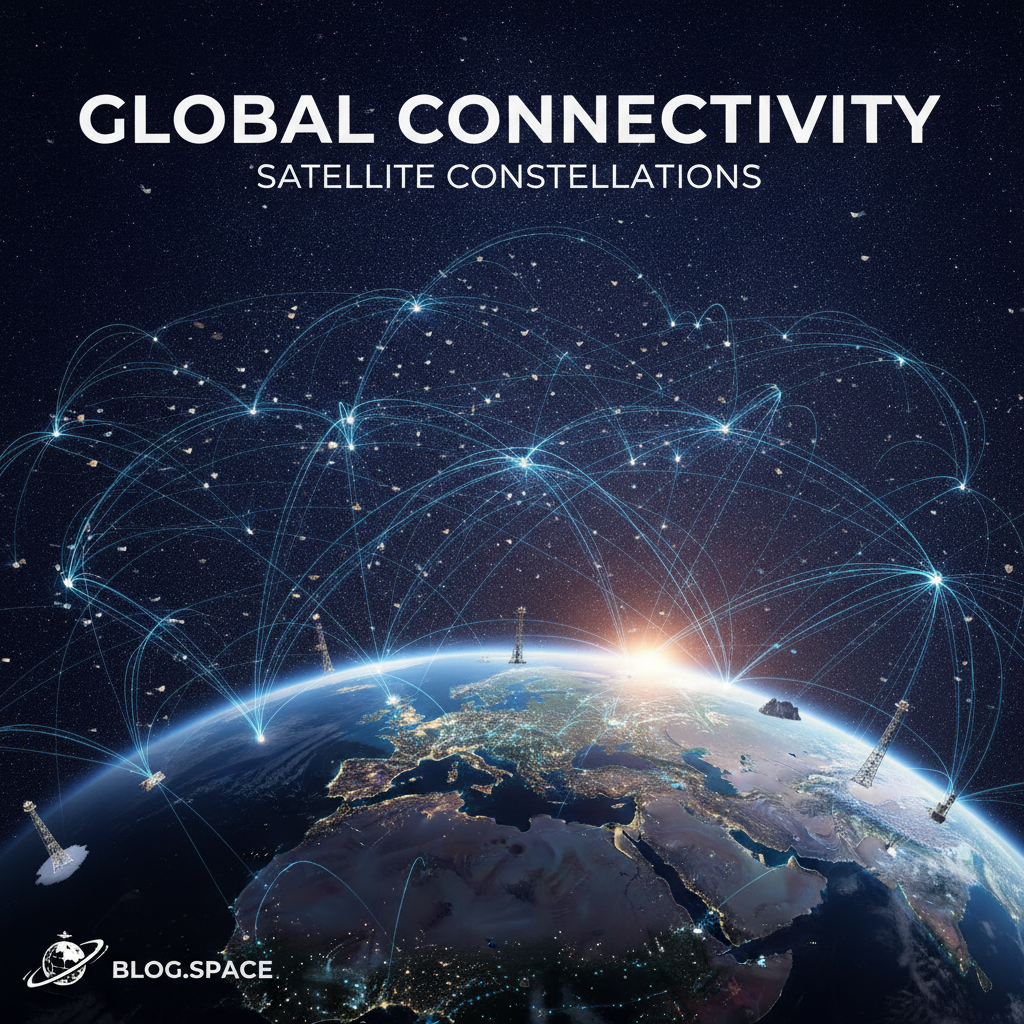
Forget the old idea of a single, massive satellite serving a vast area. Satellite constellations are networks of hundreds, even thousands, of smaller, interconnected satellites working together in low-Earth orbit (LEO). Think of it like building a super-highway in space, not just a single road. These ‘mini-satellites’ communicate with each other and ground stations to provide seamless coverage across vast regions.
The Main Players and Their Grand Visions
The names leading this charge are quickly becoming household names. SpaceX’s Starlink, OneWeb, and Amazon’s Project Kuiper are all vying to provide global, high-speed internet access from space, aiming to connect underserved areas and offer competitive alternatives. But it’s not just about internet; companies like Planet Labs are deploying constellations for Earth observation, providing incredibly detailed daily imagery of our planet for everything from environmental monitoring to disaster response.
Why the Sudden Rush to Orbit?
This rapid expansion isn’t random. Several factors have aligned perfectly: dramatic reductions in launch costs thanks to reusable rockets, advancements in satellite miniaturization making them cheaper and lighter to produce, and an insatiable global demand for connectivity and data. It’s a perfect storm of innovation and opportunity that makes launching thousands of satellites economically viable.
The Potential: Connecting the Unconnected
The potential impact of these constellations is immense. Imagine providing high-speed internet to remote corners of the world that fiber optics simply can’t reach, enabling better education, healthcare, and economic opportunities for billions. Beyond internet, they promise enhanced weather forecasting, more efficient disaster response, and even a new era of precise navigation and seamless Internet of Things (IoT) connectivity. It’s about leveling the playing field for access to information and services globally.
Navigating the Challenges Ahead
Of course, such ambitious undertakings come with their share of challenges. Concerns about increasing space debris, light pollution affecting astronomical observations, and the need for robust international regulations are all critical conversations happening right now. Balancing rapid innovation with responsible stewardship of our orbital environment is key to ensuring a sustainable future in space for everyone.
The commercial space race for satellite constellations is more than just a competition; it’s a testament to human ingenuity and a bold step towards an increasingly connected world. As new satellites continue to ‘take flight,’ we’re witnessing a truly transformative era, and the view from here is absolutely spectacular!
“`


Leave a Reply