
Beyond the Headlines: Unpacking the Promise of mRNA and Gene-Editing Therapies
You’ve likely heard of mRNA thanks to its pivotal role in recent vaccines, and perhaps even caught wind of “gene editing” in sci-fi or news about groundbreaking medical research. But what exactly are these technologies, and why are they considered two of the most revolutionary advancements in modern medicine? Let’s dive in and explore the incredible potential of mRNA and gene-editing therapies.
mRNA: More Than Just Vaccines
At its core, mRNA (messenger RNA) is a blueprint. Think of DNA as the master cookbook in our cells, holding all the recipes for life. mRNA is like a temporary, single-page copy of a specific recipe that our cells’ protein-making machinery (ribosomes) can read. It tells the cell exactly what protein to make.
In vaccines, scientists use synthetic mRNA to deliver instructions for making a harmless piece of a virus (like a spike protein). Our cells follow these instructions, produce the protein, and our immune system learns to recognize and fight it, building immunity without ever encountering the actual virus. This approach is incredibly precise and adaptable.
But the applications of mRNA go far beyond infectious diseases. Researchers are actively exploring its potential to:
- Fight Cancer: By instructing cells to produce cancer-specific antigens, training the immune system to attack tumors.
- Treat Genetic Diseases: Delivering mRNA to make missing or dysfunctional proteins in conditions like cystic fibrosis or certain metabolic disorders.
- Develop Autoimmune Therapies: Potentially teaching the immune system tolerance to reduce inflammation and damage in autoimmune diseases.
Gene Editing: Precision Tools for DNA Repair
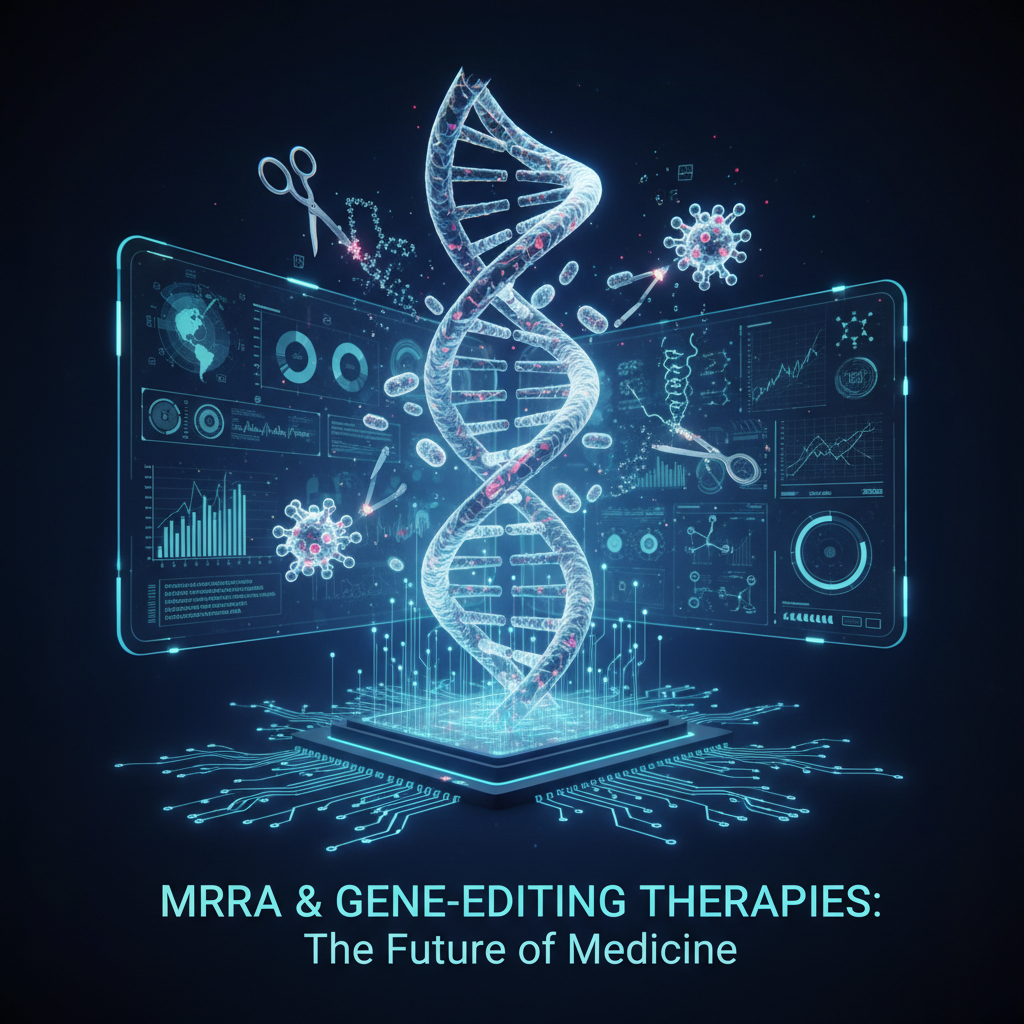
If DNA is the master cookbook, gene editing is like a highly sophisticated set of molecular scissors and paste. Technologies like CRISPR-Cas9 allow scientists to precisely cut DNA at specific locations, enabling them to remove, add, or alter genetic material. This means we can potentially correct the genetic “typos” that cause many inherited diseases.
Imagine being able to fix the faulty gene responsible for sickle cell disease, prevent the progression of Huntington’s disease, or even make cells more resistant to viral infections like HIV. That’s the promise of gene editing. It’s about changing the fundamental instructions within our cells to correct a problem at its source.
While still in its early stages for many applications, gene editing is already showing incredible promise in clinical trials for conditions that were once considered untreatable:
- Blood Disorders: Correcting the genetic mutations causing sickle cell anemia and beta-thalassemia.
- Eye Diseases: Restoring sight in certain forms of inherited blindness.
- Certain Cancers: Engineering a patient’s own immune cells to better target and destroy cancer cells (CAR T-cell therapy is a prime example).
The Powerful Combination: mRNA and Gene Editing Working Together
What happens when you combine these two groundbreaking technologies? The possibilities become even more exciting. mRNA can be used as a delivery vehicle for gene-editing components (like the Cas9 enzyme and guide RNAs), making the gene-editing process more transient and potentially safer. Instead of inserting permanent DNA instructions, mRNA delivers temporary instructions for gene editing, which then degrade, reducing the risk of off-target edits or unwanted long-term changes.
This synergy could unlock new avenues for treating complex diseases, offering precise, targeted, and potentially reversible therapeutic interventions.
Looking Ahead: Ethical Considerations and the Future
As with any powerful technology, the development of mRNA and gene-editing therapies comes with important ethical considerations. Ensuring equitable access, addressing potential unintended consequences, and carefully navigating questions around altering the human genome are critical discussions that researchers, ethicists, and society as a whole must continue to have.
Despite these important dialogues, the future of medicine looks incredibly bright. mRNA and gene-editing therapies are not just scientific curiosities; they are ushering in a new era of personalized medicine, offering hope for millions living with diseases that were once considered beyond our reach. We’re truly at the cusp of a medical revolution, and it’s an exciting time to witness these innovations unfold!


Leave a Reply