
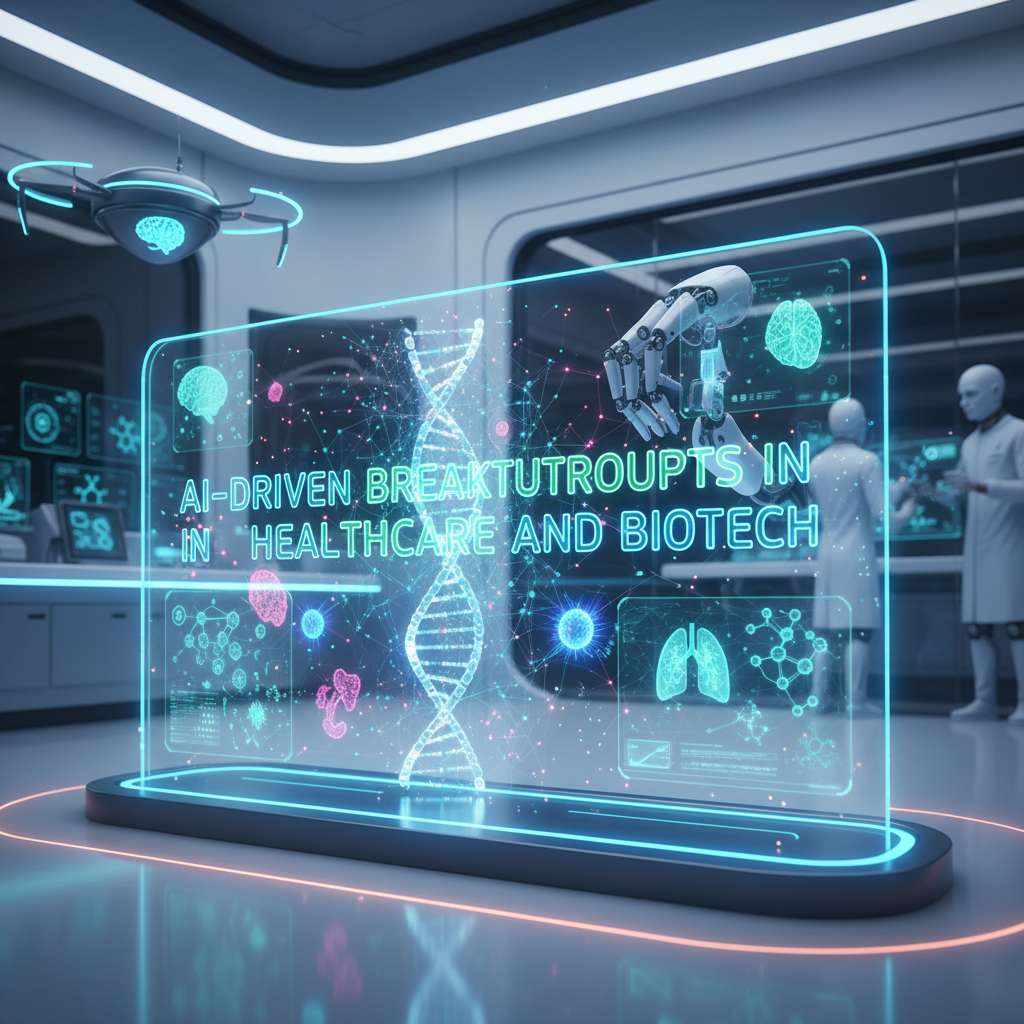
From Lab to Life: AI’s Game-Changing Impact on Health and Biotech
Imagine a world where diseases are diagnosed earlier, treatments are perfectly tailored, and new medicines are discovered at warp speed. This isn’t science fiction; it’s the exciting reality unfolding thanks to Artificial Intelligence (AI) in healthcare and biotechnology. AI isn’t just a buzzword; it’s a powerful partner, driving unprecedented breakthroughs that promise a healthier future for all of us.
Accelerating Drug Discovery and Development
One of the most profound impacts of AI is in the arduous journey of discovering and developing new drugs. Traditionally, this process is incredibly time-consuming, expensive, and often hits dead ends. AI algorithms can analyze vast datasets of genetic information, molecular structures, and disease pathways at speeds human researchers can only dream of. This allows them to identify potential drug candidates, predict their efficacy and side effects, and even design novel molecules from scratch. The result? A significantly faster and more efficient pipeline for bringing life-saving medications to patients.
The Era of Personalized Medicine
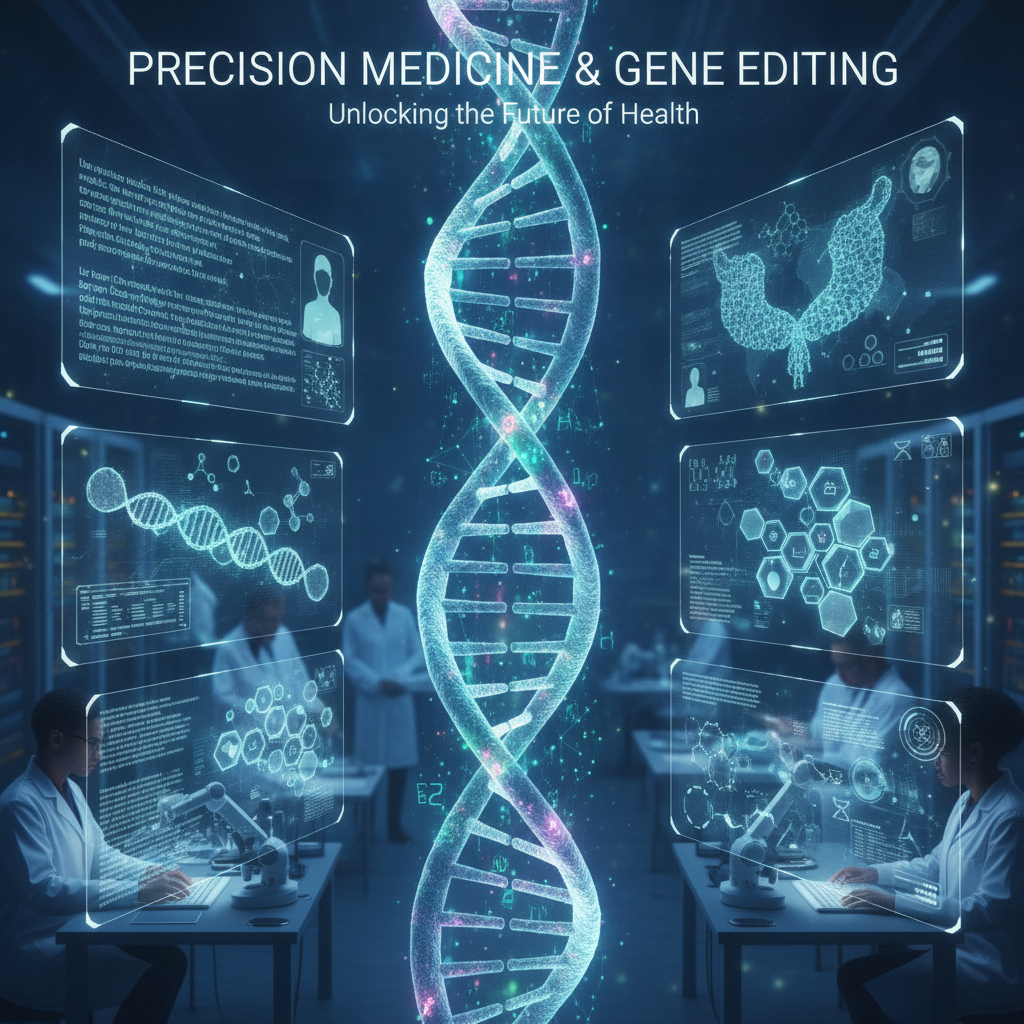
No two individuals are exactly alike, and neither should their medical treatments be. AI is central to ushering in the age of personalized medicine, where treatments are tailored to an individual’s unique genetic makeup, lifestyle, and environment. By analyzing patient data – including genomics, electronic health records, and even wearable device information – AI can help predict how a patient will respond to a specific treatment, determine optimal dosages, and identify individuals at higher risk for certain conditions. This precision approach leads to more effective therapies and fewer adverse reactions.
Enhancing Diagnostics and Medical Imaging
Early and accurate diagnosis is often the key to successful treatment. AI is proving to be an invaluable asset in interpreting complex medical images like X-rays, MRIs, and CT scans. AI-powered tools can detect subtle anomalies that might be missed by the human eye, identifying early signs of cancer, neurological disorders, and other conditions with remarkable accuracy. Beyond imaging, AI can also analyze pathology slides, blood tests, and even patient conversations to provide doctors with a more comprehensive and precise diagnostic picture, leading to earlier interventions and better patient outcomes.
Smarter Surgical Robots and Patient Care
AI’s influence extends into the operating room and beyond, transforming patient care. AI-powered robotic systems are enhancing surgical precision, allowing surgeons to perform intricate procedures with greater accuracy, less invasiveness, and faster recovery times for patients. Furthermore, AI is revolutionizing patient monitoring and support. From smart wearables that track vital signs and alert caregivers to potential issues, to AI-driven virtual assistants providing personalized health advice and mental well-being support, AI is making healthcare more accessible and responsive around the clock.
A Future Forged by AI
The synergy between AI and the fields of healthcare and biotechnology is nothing short of revolutionary. We’re witnessing a paradigm shift that promises to make healthcare more predictive, preventive, personalized, and participatory. While challenges remain, the rapid advancements in AI offer immense hope for conquering diseases, extending healthy lifespans, and ultimately improving the quality of life for billions worldwide. Get ready, because the future of health is smarter, faster, and more personal than ever before, thanks to the incredible power of AI!


Leave a Reply