
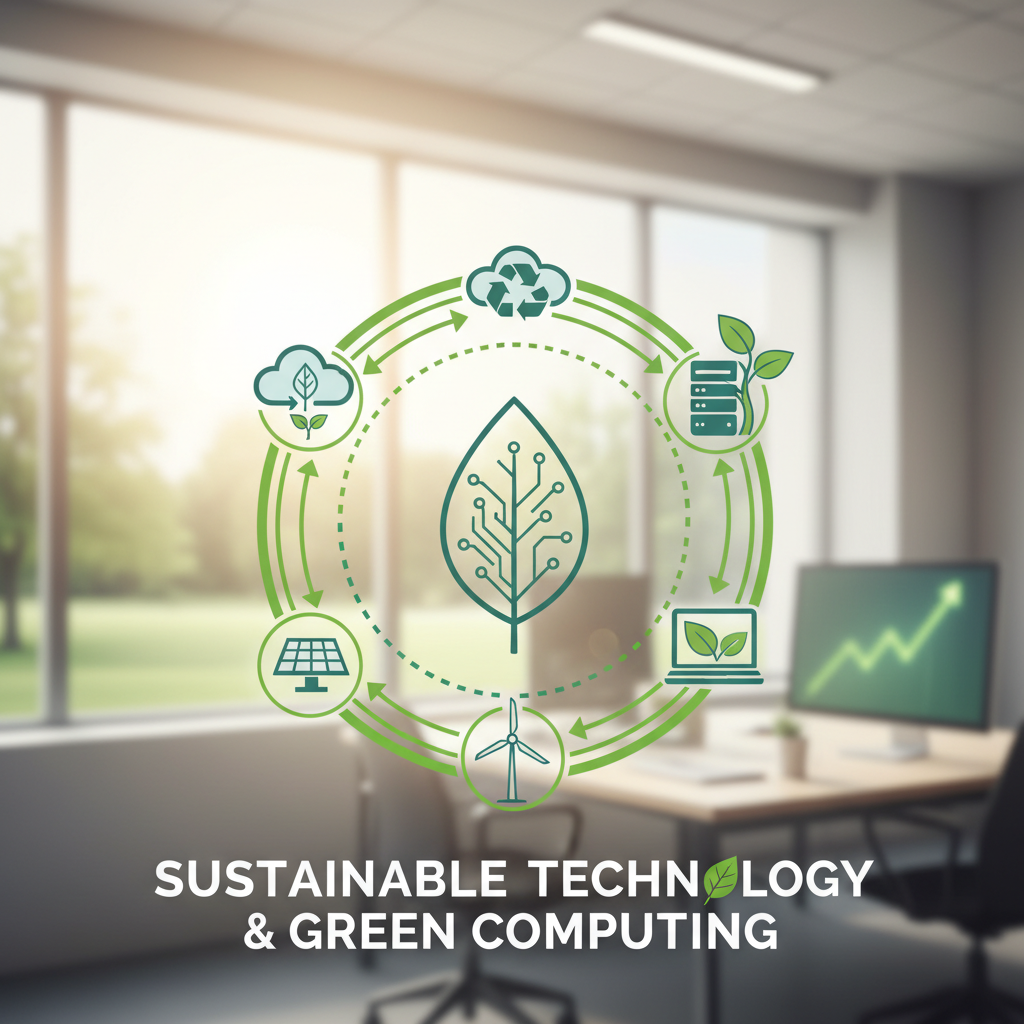
Eco-Friendly Tech: A Brighter Future
In our increasingly digital world, technology shapes nearly every aspect of our lives. But have you ever stopped to think about the environmental footprint of all those devices, data centers, and digital innovations? This is where Sustainable Technology and Green Computing come into play – a crucial movement dedicated to minimizing the environmental impact of computing.
What Exactly is Green Computing?
Green computing, often used interchangeably with green IT or sustainable technology, is the practice of designing, manufacturing, using, and disposing of computers, servers, and associated subsystems (like monitors, printers, storage devices, and networking and communications systems) efficiently and effectively with minimal or no impact on the environment. It’s about finding ways to reduce energy consumption, minimize waste, and promote eco-friendly practices across the entire technology lifecycle.
Why Does Sustainable Tech Matter?
The urgency for green computing stems from several critical environmental concerns. The production of electronics consumes vast amounts of natural resources and energy, often leading to significant carbon emissions. Furthermore, the energy required to power our data centers and individual devices contributes substantially to global electricity consumption. When these devices reach the end of their life, improper disposal leads to mountains of e-waste, leaching harmful toxins into our soil and water. Sustainable tech offers a pathway to mitigate these issues, ensuring that our digital progress doesn’t come at the Earth’s expense.
Pillars of Sustainable Technology
Sustainable technology isn’t a single solution, but a multifaceted approach. It encompasses several key areas:
- Energy Efficiency: Developing and using hardware and software that consume less power. This includes energy-saving processors, efficient power supplies, and smart power management software.
- Resource Conservation: Designing products with fewer hazardous materials, using recycled content, and ensuring components are easily recyclable.
- Optimized Usage: Employing virtualization, cloud computing, and efficient coding practices to maximize resource utilization and reduce the number of physical servers needed.
- Responsible Disposal: Promoting proper recycling and refurbishment programs for e-waste to prevent pollution and recover valuable materials.
Your Role in a Greener Digital World
Whether you’re an individual user or a large corporation, everyone has a part to play. For individuals, simple steps like enabling power-saving modes, unplugging chargers, recycling old electronics responsibly, and choosing energy-efficient devices can make a difference. For businesses, adopting cloud services, investing in energy-efficient data centers, optimizing software, and implementing comprehensive e-waste policies are crucial steps towards a greener operation. Embracing telecommuting and virtual meetings also reduces the carbon footprint associated with travel.
The Future is Green Computing
Sustainable technology and green computing aren’t just buzzwords; they are essential for building a resilient, eco-conscious future. As technology continues to evolve at an incredible pace, integrating environmental responsibility into its core will be paramount. By making conscious choices and advocating for greener practices, we can harness the power of technology not just for innovation, but also for the planet. Let’s work together to ensure our digital advancements lead to a healthier, more sustainable world for everyone.



Leave a Reply