
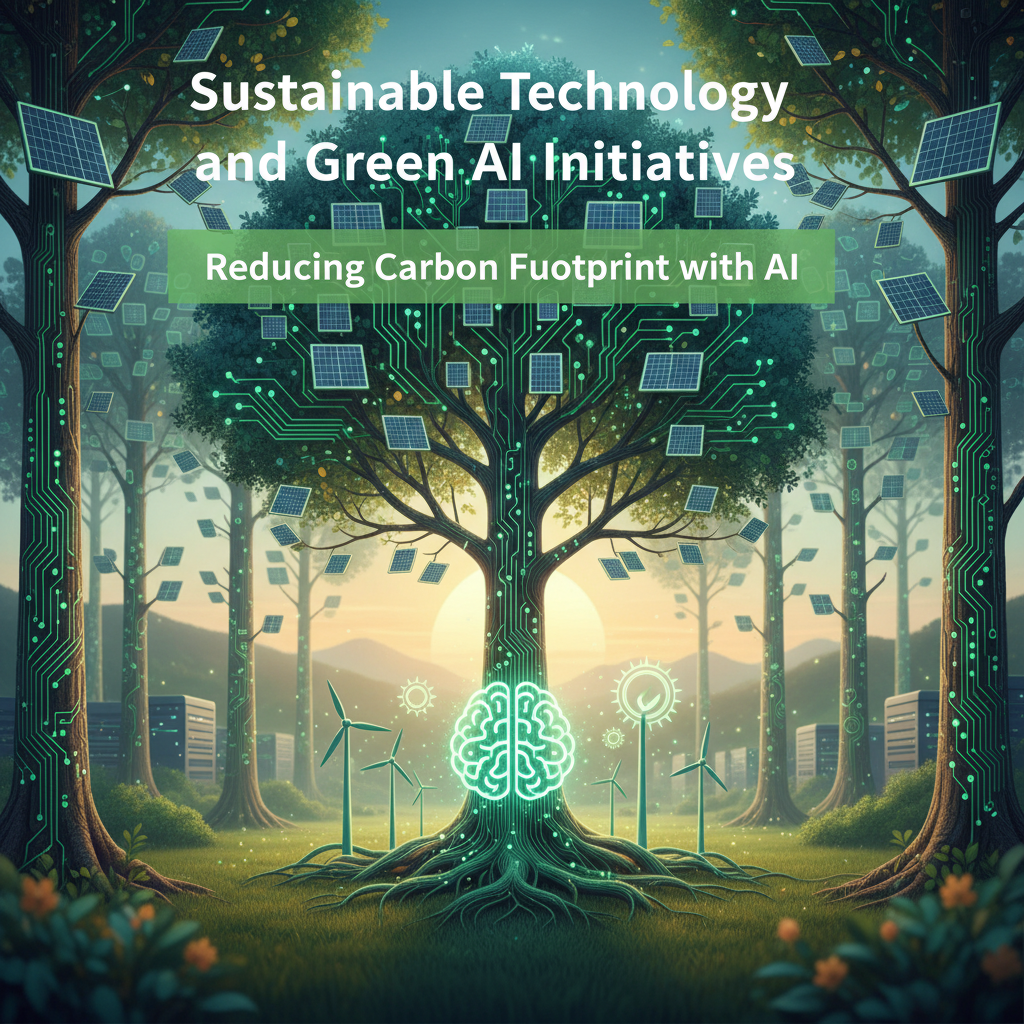
In a world rapidly advancing through technological innovation, it’s easy to overlook the environmental footprint left behind. From the energy-hungry data centers powering our cloud services to the constant churn of electronic waste, our digital lives have a very real, physical impact on the planet. But what if technology, particularly Artificial Intelligence, could not only coexist with environmental well-being but actively champion it?
The Growing Footprint of Our Digital World
Think about the sheer scale of modern technology: billions of devices, vast data centers, and the intense computational power required to train sophisticated AI models. This all consumes enormous amounts of energy, often from non-renewable sources, contributing significantly to greenhouse gas emissions. Furthermore, the lifecycle of our gadgets, from manufacturing to disposal, generates mountains of e-waste, leaching harmful chemicals into our ecosystems.
Embracing Sustainable Technology Principles
Sustainable technology isn’t just a buzzword; it’s a critical shift in how we design, produce, use, and dispose of technological products and services. It encompasses principles like energy efficiency, circular economy models (reduce, reuse, recycle), responsible sourcing of materials, and designing for longevity. It’s about minimizing environmental harm while maximizing societal benefit, ensuring that today’s innovations don’t compromise tomorrow’s planet.
AI as a Force for Good: Green Initiatives
This is where Green AI steps in as a powerful ally. While AI itself has a carbon footprint, its potential to accelerate sustainability initiatives is immense:
- Optimizing Energy Grids: AI can predict energy demand and supply with incredible accuracy, optimizing smart grids to integrate more renewable energy and reduce waste.
- Climate Modeling & Prediction: Advanced AI models help scientists understand climate change better, predict extreme weather events, and develop more effective mitigation strategies.
- Precision Agriculture: AI-powered systems can monitor crop health, soil conditions, and water usage, leading to less waste of resources and reduced pesticide use.
- Waste Management: AI can sort waste more efficiently, identify recycling opportunities, and optimize collection routes, making urban waste systems greener.
- Sustainable Manufacturing: AI can optimize production processes to reduce material waste, energy consumption, and emissions in factories.
Making AI Itself Sustainable: A Balancing Act
It’s crucial to acknowledge that AI, especially the training of large language models, can be very energy intensive. Therefore, a core component of Green AI initiatives involves making AI itself more sustainable. This means developing more energy-efficient algorithms, using smaller, more focused datasets where possible, and exploring federated learning or edge computing to reduce the need for centralized, power-hungry data centers. It also involves investing in green hardware and ensuring that the data centers powering AI are running on renewable energy sources.
Join the Green Tech Revolution
The journey towards sustainable technology and Green AI is a collective effort. From researchers developing greener algorithms to companies adopting sustainable practices, and even us as consumers making conscious choices about the tech we support, every step counts. By harnessing the power of AI responsibly and integrating sustainable practices into every facet of technology, we can pave the way for a future where innovation not only thrives but also protects our precious planet. Let’s work together to build a smarter, greener tomorrow!
“`



Leave a Reply