AI Revolutionizing Medicine: A New Era
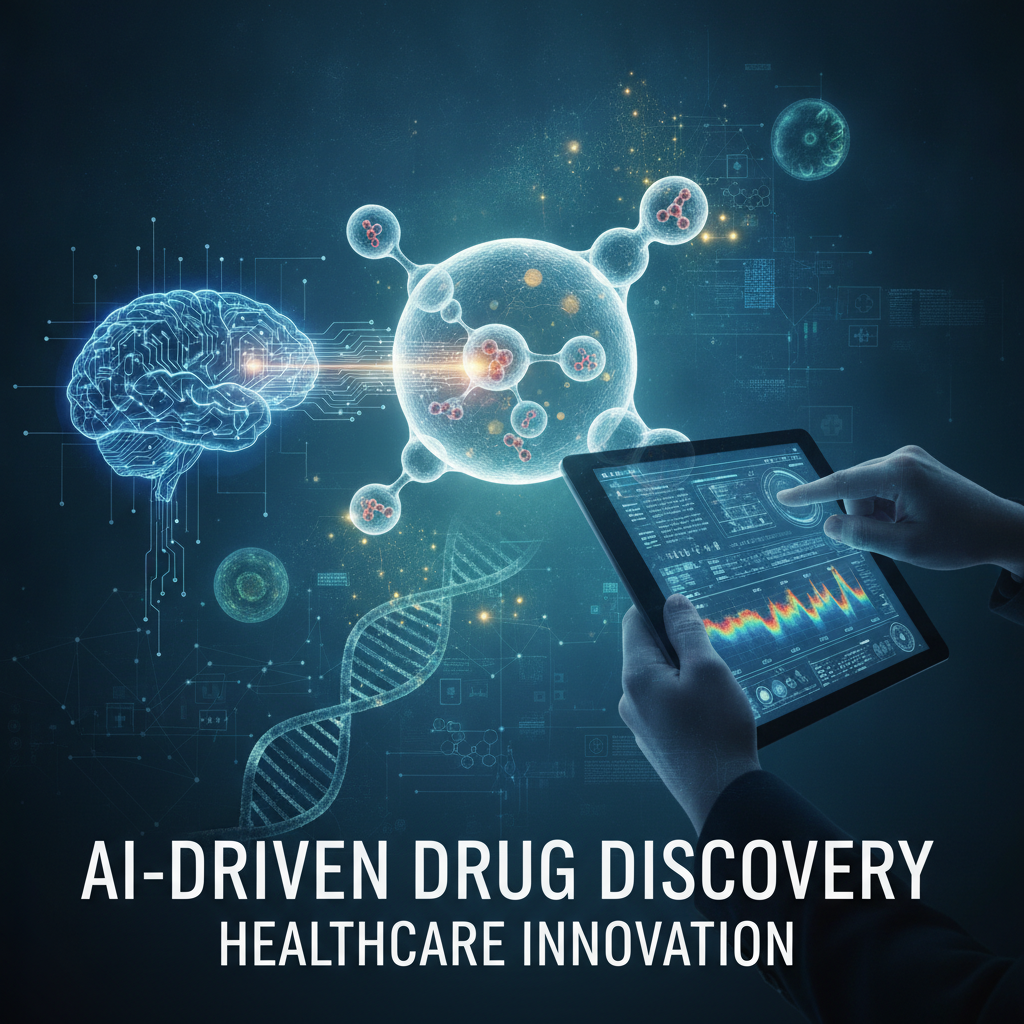
Imagine a world where new life-saving drugs are discovered in record time, and healthcare is tailored precisely to your unique genetic makeup. This isn’t science fiction; it’s the rapidly unfolding reality powered by Artificial Intelligence (AI) in drug discovery and healthcare innovation.
The Dawn of Intelligent Drug Discovery
For decades, drug discovery has been a long, arduous, and incredibly expensive journey, often taking over a decade and billions of dollars for a single successful drug. AI is fundamentally transforming this process, bringing unprecedented speed and precision.
AI algorithms can sift through vast datasets of biological information, chemical structures, and patient data far more efficiently than humans ever could. This capability allows researchers to quickly identify potential drug targets, predict molecular interactions, and even design novel compounds with desired properties, drastically shortening the early stages of development.
Accelerating the Path to New Cures
One of the most exciting applications of AI is its ability to accelerate critical phases of drug development. AI-powered tools can:
- Predict Efficacy and Toxicity: Before a single molecule is synthesized in a lab, AI can predict how effective a drug might be and whether it will have harmful side effects, saving immense time and resources.
- Optimize Clinical Trials: By analyzing patient data, AI helps identify ideal candidates for clinical trials, monitor their progress, and even predict trial outcomes, making the entire process more efficient and ethical.
- Drug Repurposing: AI can scour existing drug databases to find new uses for old drugs, a process known as drug repurposing. This can bring safe, approved medications to new patient populations much faster than developing a drug from scratch.
Personalizing Healthcare with AI
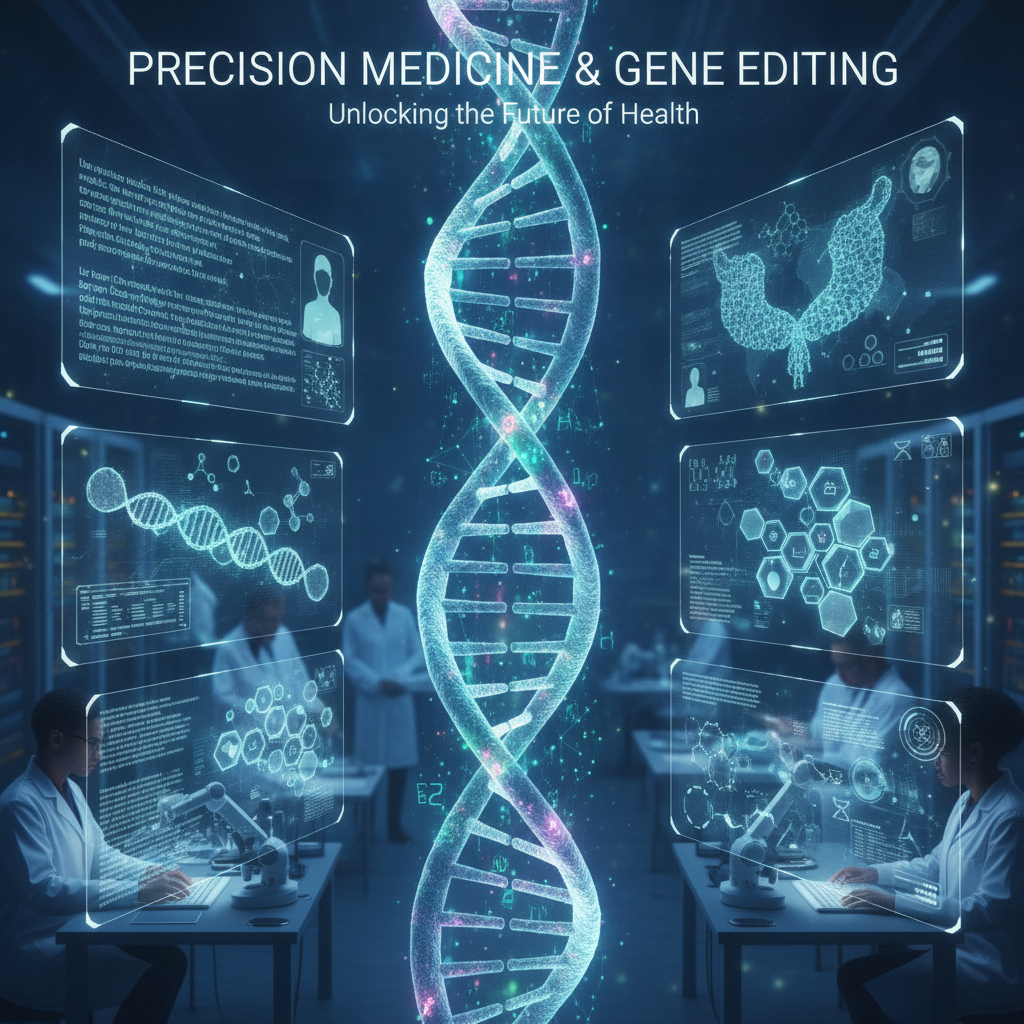
Beyond drug discovery, AI is ushering in an era of truly personalized medicine. By analyzing a patient’s unique genomic data, lifestyle, medical history, and even real-time physiological data from wearables, AI can provide insights that lead to highly individualized treatment plans.
This means therapies can be fine-tuned to work best for *you*, minimizing trial-and-error and improving patient outcomes. From predicting disease risk years in advance to recommending the most effective dosages, AI makes healthcare more precise and proactive.
Beyond Discovery: AI in Patient Care
AI’s impact extends into the daily operations and long-term strategies of healthcare systems:
- Advanced Diagnostics: AI excels at analyzing medical images (X-rays, MRIs, CT scans) to detect subtle anomalies that human eyes might miss, aiding in early disease detection and diagnosis for conditions like cancer or retinal diseases.
- Predictive Analytics: Hospitals are using AI to predict patient readmissions, optimize staffing levels, and even anticipate outbreaks of infectious diseases, leading to more efficient resource allocation and better public health management.
- Robot-Assisted Surgery: While not “AI-driven drug discovery,” surgical robots powered by AI enhance precision and minimize invasiveness, contributing to better recovery and patient safety.
The Future is Bright (and Intelligent!)
The convergence of AI with drug discovery and healthcare is not just an incremental improvement; it’s a paradigm shift. While challenges remain—such as data privacy, regulatory hurdles, and ensuring equitable access—the potential for AI to dramatically improve human health is undeniable. We are on the cusp of a medical revolution, where intelligence, empathy, and innovation combine to create a healthier future for all.
“`


Leave a Reply