
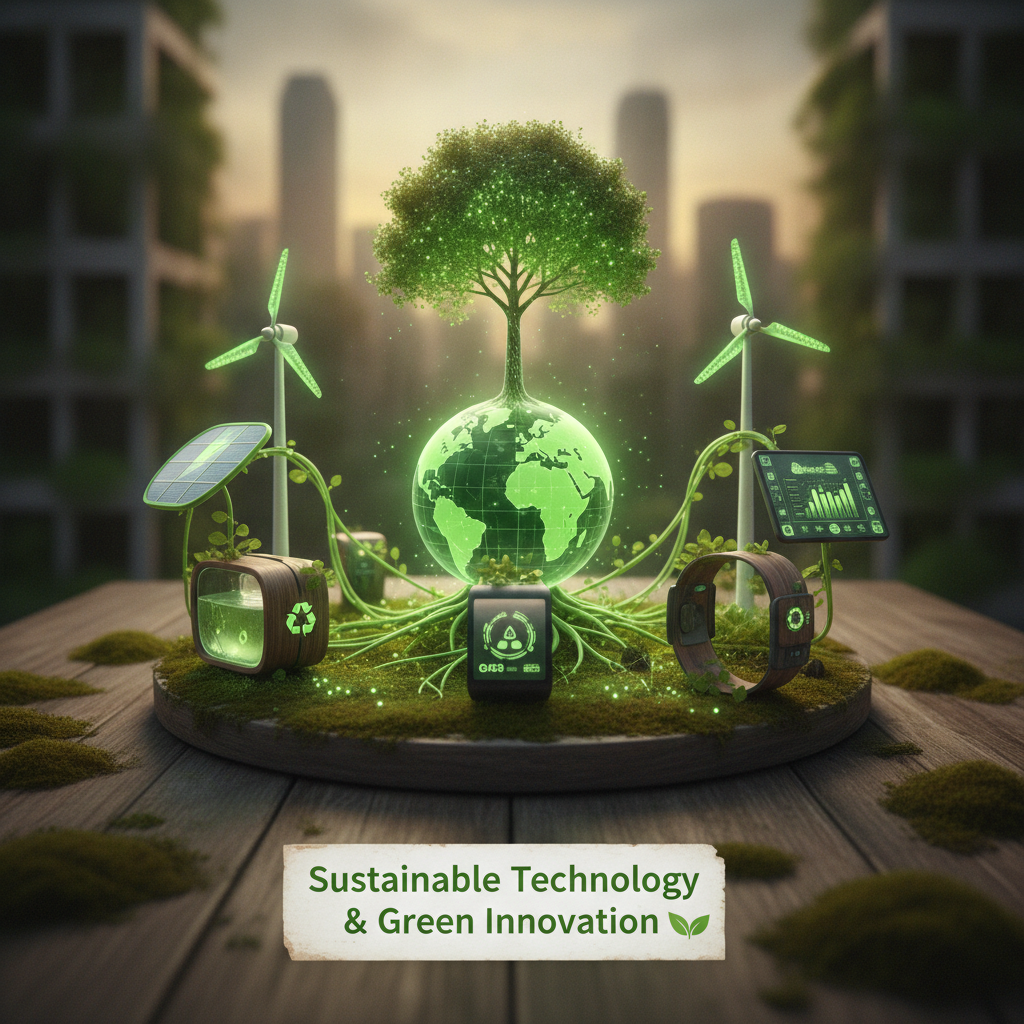
In a world increasingly aware of its environmental footprint, the power of technology is being redirected from mere advancement to sustainable solutions. Welcome to the exciting intersection of innovation and ecological responsibility: Sustainable Technology & Green Innovation. It’s not just a trend; it’s a vital movement shaping our collective future.
What is Sustainable Technology?
At its core, sustainable technology refers to innovations designed to minimize environmental impact while promoting social equity and economic viability. It’s about creating systems, products, and services that meet the needs of the present without compromising the ability of future generations to meet their own needs. Think circular economy principles, resource efficiency, and renewable energy.
This goes beyond simply “being green.” It encompasses the entire lifecycle of a product or process, from raw material sourcing and manufacturing to usage, disposal, and potential recycling or repurposing. The goal is to reduce waste, conserve resources, lower emissions, and ultimately foster a healthier planet.
Pioneering Green Innovations
The landscape of green innovation is vast and inspiring, with breakthroughs happening across numerous sectors:
Renewable Energy Revolution
From advanced solar panels that are more efficient and aesthetically pleasing to offshore wind farms harnessing powerful ocean breezes, renewable energy technologies continue to lead the charge. Innovations in battery storage are also critical, making intermittent renewable sources more reliable and accessible.
Eco-Friendly Materials & Manufacturing
Scientists are developing biodegradable plastics from algae or plant waste, self-healing concrete, and textiles made from recycled materials or sustainable fibers. Additive manufacturing (3D printing) is also being explored for its potential to reduce waste by only using the necessary material.
Smart Solutions for Efficiency
The Internet of Things (IoT) plays a crucial role in creating smart cities and homes. Sensors optimize energy use in buildings, intelligent grids manage power distribution more effectively, and smart agriculture solutions help farmers conserve water and reduce pesticide use, leading to more sustainable food production.
Waste-to-Energy & Circular Economy
New technologies are transforming waste into valuable resources, whether it’s through advanced recycling techniques, anaerobic digestion creating biogas, or pyrolysis converting plastics into fuel. The focus is shifting from a linear “take-make-dispose” model to a circular one where resources are kept in use for as long as possible.
The Ripple Effect: Benefits for All
Investing in sustainable technology isn’t just good for the environment; it brings a cascade of benefits:
- Environmental Preservation: Reduced greenhouse gas emissions, cleaner air and water, and conservation of natural habitats.
- Economic Growth: New industries, job creation, and increased energy independence lead to robust economies.
- Improved Health: Less pollution means fewer respiratory illnesses and a better quality of life for communities.
- Resource Security: Less reliance on finite resources and more efficient use of what we have.
Joining the Green Tech Revolution
Sustainable technology and green innovation represent humanity’s proactive approach to environmental challenges. From the colossal scale of renewable energy projects to everyday smart devices that save energy, these innovations are paving the way for a more sustainable and prosperous future for everyone.
We all have a part to play, whether it’s by supporting businesses that prioritize green tech, adopting sustainable practices in our own lives, or simply staying informed about these exciting advancements. The future is green, and technology is our most powerful tool to get there!
“`



Leave a Reply