
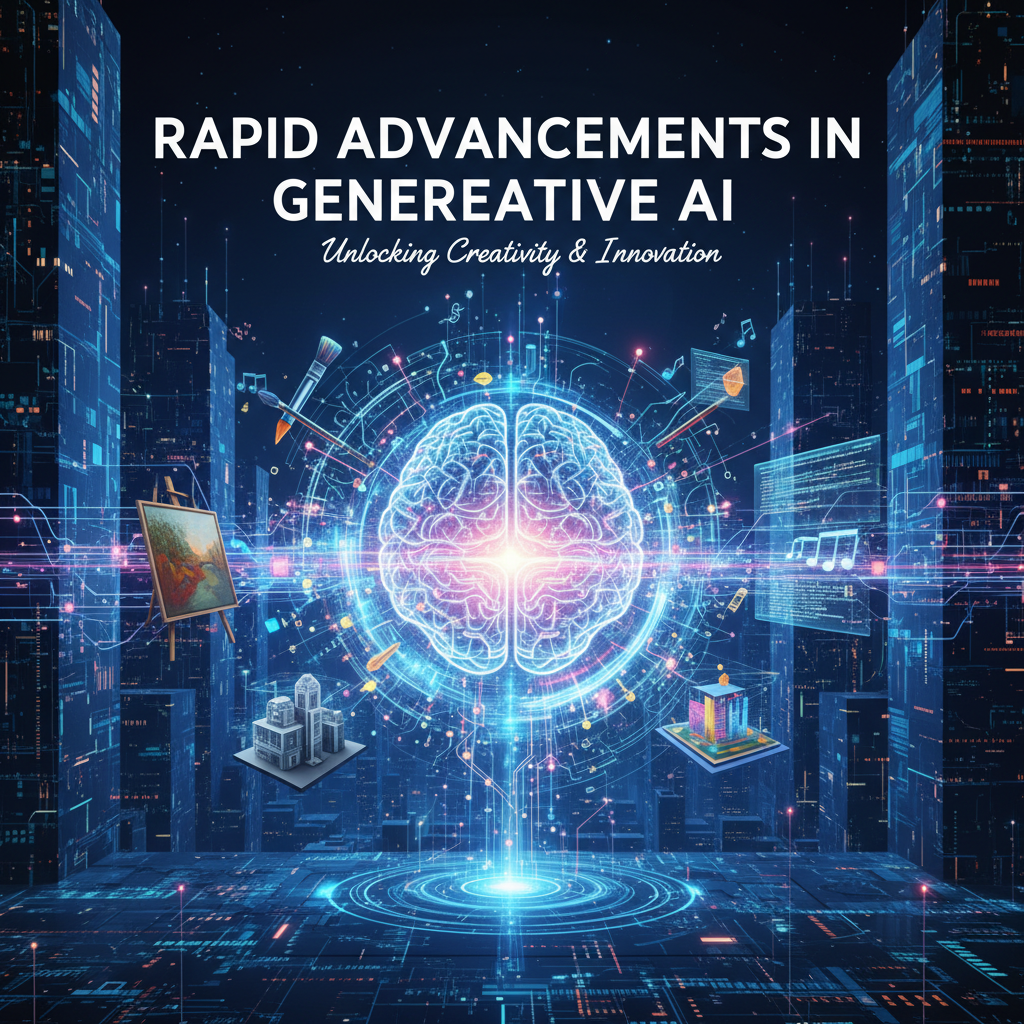
Generative AI: The Multimodal Revolution
Remember when Generative AI was mostly about text? Crafting eloquent essays or witty code snippets? Well, prepare to have your mind blown, because the world of AI is rapidly evolving beyond single data types. We’re now entering the exciting era of Multimodal Models, where AI doesn’t just read words, but also sees images, hears sounds, and even understands the intricate connections between them. Let’s dive into this fascinating new frontier!
What is Generative AI? A Quick Refresher
At its core, Generative AI refers to artificial intelligence systems capable of producing novel content. Unlike traditional AI that might classify or analyze existing data, generative models create new data that resembles the data they were trained on. Think of large language models like GPT generating human-like text, or text-to-image models like DALL-E and Midjourney conjuring stunning visuals from simple prompts. It’s creativity, powered by algorithms.
Understanding Multimodal Models: Beyond One Sense
Here’s where it gets really interesting! A “multimodal” AI model is designed to process and understand information from multiple modalities simultaneously. Instead of just text, it can handle text, images, audio, video, and even other sensory data, integrating these different types of input to form a more comprehensive understanding. Imagine an AI that can not only read your prompt but also “see” the image you’re referring to, or “hear” the audio clip you’ve provided.
This ability to cross-reference and synthesize information from different data types allows for a much richer, more nuanced interaction with AI. It’s a step closer to how humans perceive and interact with the world – we don’t just see or just hear; we integrate all our senses to make sense of our surroundings.
Why Multimodal Matters: Unlocking New Potential
The implications of multimodal generative AI are vast and transformative. By combining modalities, these models can:
- Achieve Deeper Understanding: An AI can better interpret a request if it has both text context and a visual reference.
- Generate Richer Outputs: From a text prompt, it can create an image, then generate descriptive text for that image, or even a short video clip with accompanying audio.
- Enable More Natural Interactions: Imagine an AI assistant that can understand your spoken words, analyze your facial expressions, and interpret objects in your environment, all at once.
- Bridge Information Gaps: Automatically generate detailed image captions for visually impaired users, or translate spoken language while showing relevant visual aids.
Real-World Applications & The Road Ahead
We’re already seeing incredible applications of multimodal AI. Text-to-image generators like DALL-E and Midjourney are prime examples, taking textual descriptions and transforming them into unique visual art. Beyond art, think about:
- Enhanced Search: Search for images using text descriptions, or find videos based on both visual content and spoken dialogue.
- Intelligent Assistants: Future AI assistants that can not only answer questions but also “see” your surroundings and react accordingly.
- Content Creation: Generating entire multimedia presentations or short films from simple textual outlines.
- Accessibility Tools: Creating sophisticated descriptions of visual content for those with visual impairments, or generating sign language from spoken language.
The journey is just beginning. While challenges remain, such as managing the complexity of diverse datasets and ensuring ethical use, the potential for multimodal generative AI to revolutionize how we interact with technology and create content is undeniably exciting.
Generative AI is no longer confined to a single dimension. With multimodal models, we’re building AIs that can see, hear, read, and create across a spectrum of human experience. This fusion of senses in AI promises a future filled with more intuitive, creative, and powerful tools. Get ready to witness a revolution where AI understands and expresses the world in its full, vibrant complexity!
“`
Leave a Reply