
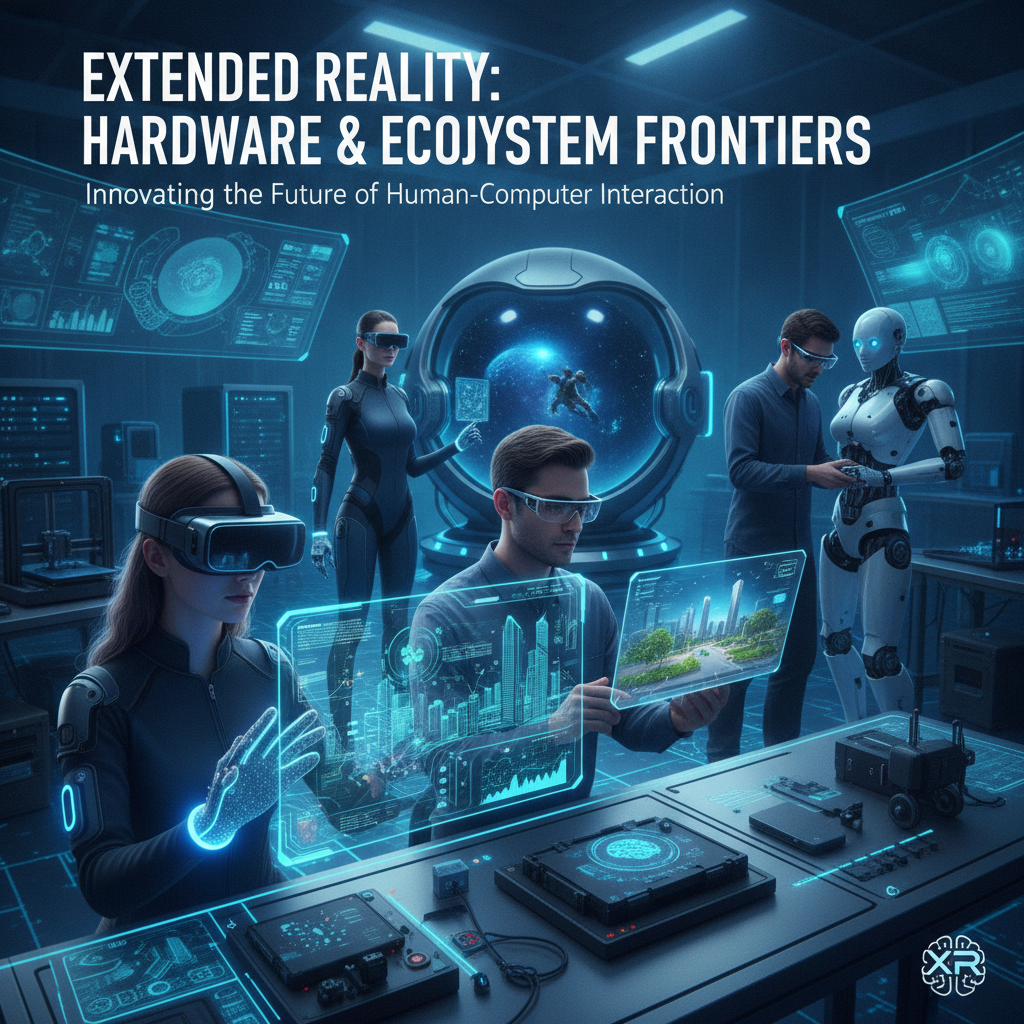
XR’s Next Frontier: Hardware & Ecosystem Growth
Extended Reality (XR) is rapidly evolving, blurring the lines between our physical and digital worlds. From gaming to enterprise solutions, XR promises to revolutionize how we interact, work, and play. But for this future to truly take hold, two critical pillars must continuously advance: hardware innovation and a robust ecosystem development. Let’s dive into why these are so crucial for XR’s widespread success!
The Engine of Immersion: XR Hardware Evolution
Think about where we started with bulky, lower-resolution VR headsets and now look at sleek, powerful devices like the Meta Quest 3, Apple Vision Pro, or Varjo’s professional-grade offerings. The progress in XR hardware is breathtaking, constantly pushing the boundaries of what’s possible. We’re seeing:
- **Display Technology:** Higher resolutions, wider fields of view, and reduced screen-door effect make experiences more visually compelling and less fatiguing for users.
- **Sensors & Tracking:** Advanced cameras, lidar, and IMUs enable precise inside-out tracking, natural hand tracking, and even eye tracking, making interaction incredibly intuitive.
- **Processing Power:** Miniaturized yet powerful chipsets allow for complex graphics rendering and real-time computation directly on the device, often untethering users from powerful PCs.
- **Ergonomics & Comfort:** Lighter designs, better weight distribution, and improved materials are making extended wear far more comfortable and accessible to a broader audience.
- **Haptic Feedback:** Innovations in haptics are adding a new layer of immersion, allowing users to “feel” digital objects and interactions, greatly enhancing realism.
These hardware advancements aren’t just about bells and whistles; they directly translate into more compelling, useful, and comfortable XR experiences, driving adoption across various sectors from healthcare to manufacturing.
Building the Digital World: Software & Platforms
Hardware is the body, but software is undoubtedly the soul of XR. Without a strong software foundation, even the most advanced hardware would be a mere paperweight. A robust software layer is essential for creating, distributing, and experiencing XR content. This involves key areas like:
- **Operating Systems:** Platforms like Meta Horizon OS, Apple’s visionOS, and Pico OS are creating the underlying architecture for applications, user interfaces, and core functionalities that define the user experience.
- **Developer Tools & SDKs:** User-friendly tools and Software Development Kits (SDKs) empower creators to build engaging content more efficiently, lowering the barrier to entry for developers and fostering innovation.
- **Content Creation Pipelines:** Advances in 3D modeling, animation, and powerful game engine technologies (like Unity and Unreal Engine) are making it easier to populate the XR metaverse with rich, interactive experiences.
A thriving software environment encourages a diverse range of applications, from immersive training simulations and virtual collaboration spaces to captivating games and educational content, ensuring there’s something for everyone.
Nurturing the Garden: XR Ecosystem Development
Beyond individual hardware and software components, a healthy XR ecosystem is crucial for long-term growth and widespread adoption. This encompasses the entire environment that supports XR’s journey into the mainstream:
- **Interoperability & Standards:** The ability for different devices and platforms to communicate and share content is vital to prevent fragmentation and foster a more open, accessible XR landscape. Initiatives like OpenXR are critical stepping stones here.
- **Monetization Models:** Clear and fair ways for creators and developers to earn revenue from their XR content encourage innovation and sustainability within the industry.
- **Enterprise Adoption:** Businesses are increasingly leveraging XR for training, design, remote assistance, and collaboration, driving demand for robust, reliable hardware and software solutions that prove real ROI.
- **Consumer Market Growth:** As hardware becomes more affordable and content more compelling, consumer interest grows, fueling a virtuous cycle of investment and innovation.
- **Regulatory & Ethical Considerations:** As XR becomes more pervasive, developing frameworks for data privacy, user safety, and ethical AI use within these immersive environments becomes paramount to build trust.
A well-developed ecosystem ensures that the entire XR industry can flourish, providing a stable foundation for innovation and user growth, making XR truly sustainable.
The Road Ahead: Challenges & Opportunities
While the future of XR is incredibly exciting, challenges remain. Cost of entry, content availability, user comfort over extended periods, and the need for greater standardization are all areas requiring continuous effort. However, with persistent innovation in hardware, smarter software, and collaborative ecosystem development, the opportunities are immense. We’re on the cusp of truly immersive experiences that will redefine our relationship with technology and each other.
Join the XR Journey!
From the cutting-edge components powering our headsets to the vibrant communities building new worlds, XR is a testament to human ingenuity. As hardware becomes more sophisticated and the ecosystem grows stronger, we can look forward to a future where extended reality is not just a niche technology, but an integral part of our daily lives. What XR development are you most excited about?
“`



Leave a Reply