
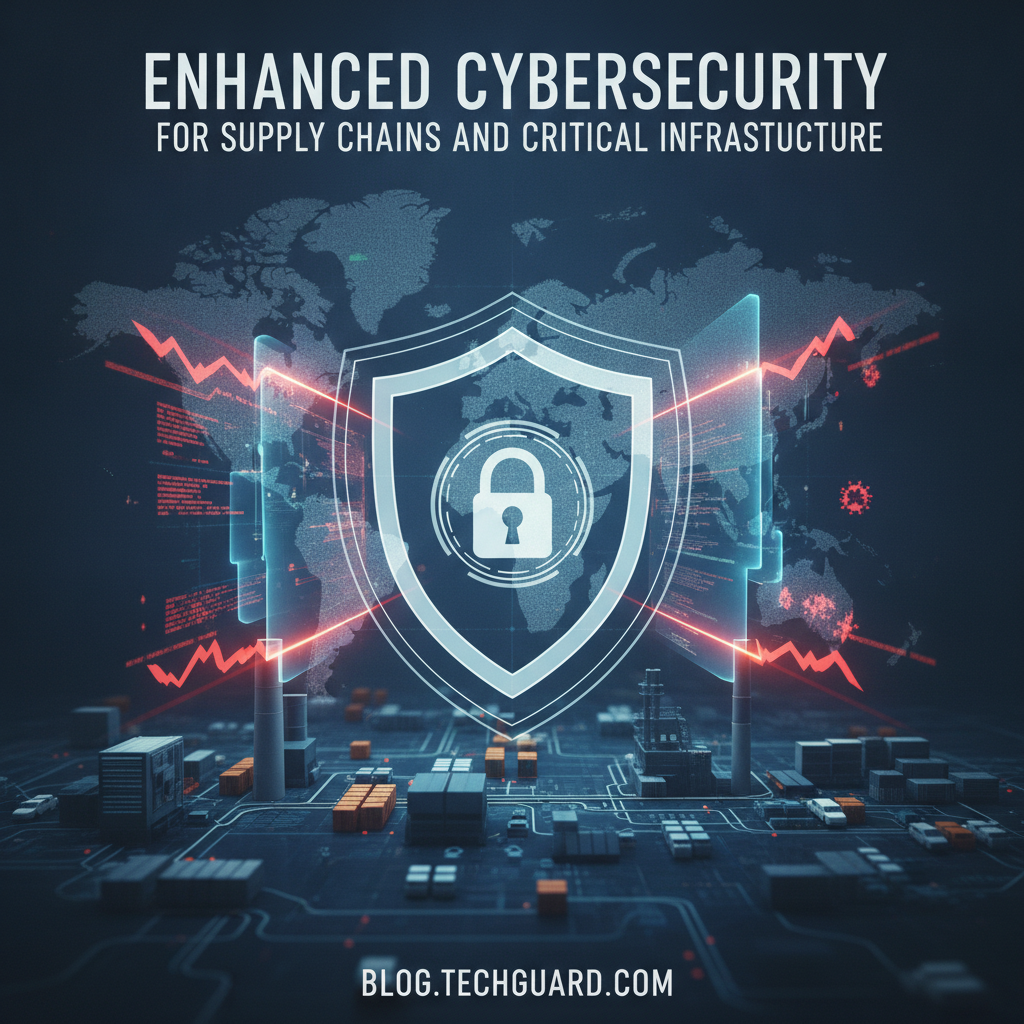
Supply chains and critical infrastructure are the backbone of our modern society, enabling everything from the electricity in our homes to the food on our tables. But in an increasingly interconnected world, these vital systems face a growing barrage of cyber threats. Ensuring their resilience isn’t just an IT challenge; it’s a fundamental necessity for economic stability and public safety.
The Escalating Cyber Threat Landscape
Why are these sectors such prime targets? Because disruption here can have catastrophic ripple effects. From sophisticated state-sponsored attacks aiming for espionage or sabotage to opportunistic ransomware gangs seeking lucrative payouts, the adversaries are diverse and determined. A breach in a logistics network can halt deliveries, an attack on a utility can cause widespread power outages, and compromised manufacturing processes can introduce vulnerabilities into products before they even leave the factory. The stakes couldn’t be higher.
Pillars of Enhanced Cybersecurity
Strengthening our defenses requires a multi-faceted approach. Here are key strategies:
Proactive Risk Management and Visibility: You can’t protect what you don’t understand. Organizations must gain deep visibility into their entire supply chain, identifying critical assets, potential vulnerabilities, and third-party risks. Regular risk assessments, penetration testing, and vulnerability management are non-negotiable.
Robust Technical Controls: Implementing strong technical safeguards is paramount. This includes multi-factor authentication (MFA) everywhere, network segmentation to limit breach impact, endpoint detection and response (EDR), and a well-tested incident response plan. Adopting a Zero Trust architecture, where no user or device is inherently trusted, is also becoming a gold standard.
Collaboration and Information Sharing: Cybersecurity is a team sport. Governments, industry peers, and cybersecurity agencies must work together, sharing threat intelligence and best practices. Public-private partnerships are crucial for building a collective defense mechanism against common adversaries.
Nurturing a Security-Conscious Culture: Technology alone isn’t enough. The human element is often the weakest link. Comprehensive cybersecurity training for all employees, from the factory floor to the executive suite, fosters a culture where security is everyone’s responsibility, not just IT’s. Regular awareness campaigns about phishing, social engineering, and safe digital practices are vital.
A Shared Journey Towards Resilience
Building truly resilient supply chains and critical infrastructure is an ongoing journey, not a destination. It demands continuous investment in technology, talent, and processes. It requires adaptable strategies that can evolve with the ever-changing threat landscape. Policy makers have a role in establishing clear frameworks and incentives, while every organization within these ecosystems must commit to elevating its security posture.
Conclusion
The digital threats to our supply chains and critical infrastructure are real and present, but so is our capacity to defend them. By embracing proactive strategies, fostering collaboration, and prioritizing a strong security culture, we can build a more secure and resilient future for the essential systems that power our world. Let’s work together to fortify our digital foundations.



Leave a Reply