
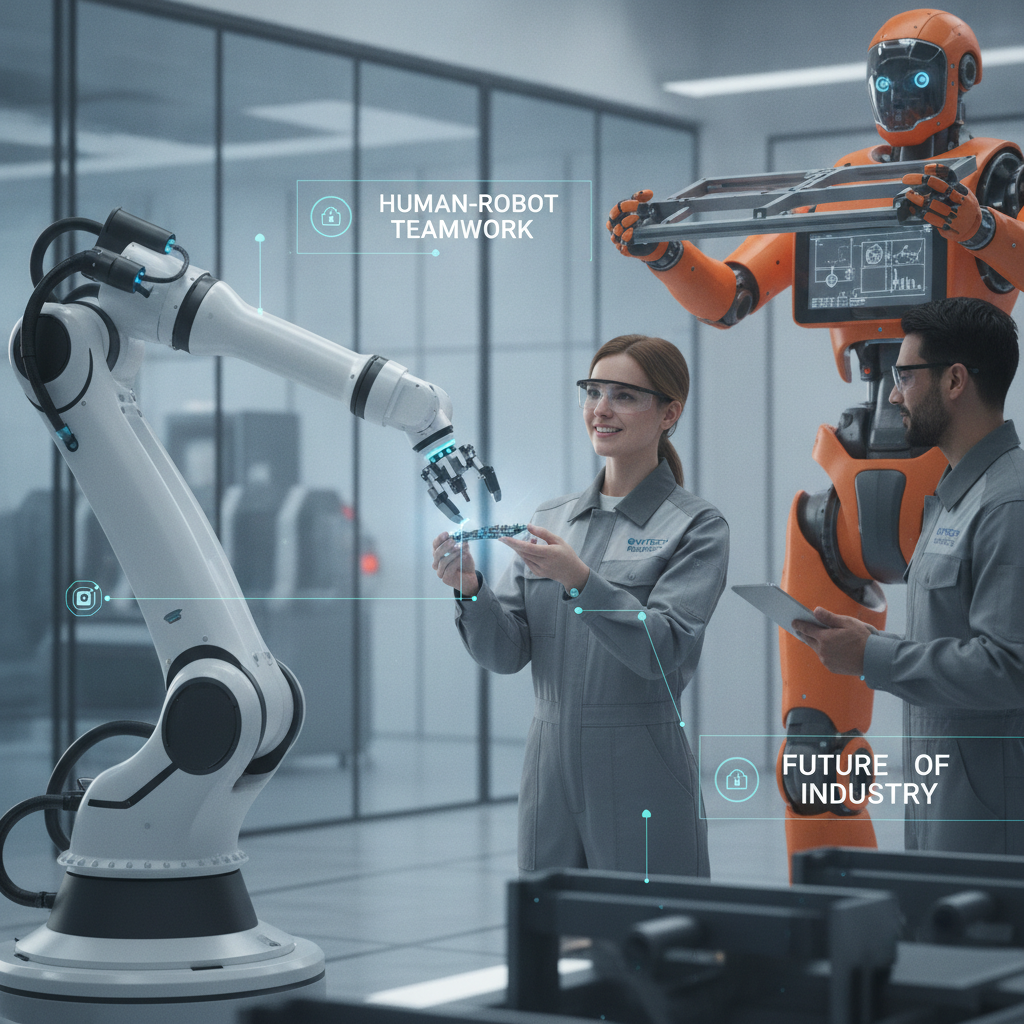
Once confined to science fiction novels or isolated factory floors, advanced robotics is rapidly evolving beyond simple automation. We’re now entering a thrilling era where robots are no longer just tools, but potential collaborators, working alongside humans in sophisticated and symbiotic ways. Welcome to the world of Human-Robot Collaboration (HRC)!
Beyond the Assembly Line: What Defines Advanced Robotics?
When we talk about “advanced robotics,” we’re referring to much more than the clunky, repetitive machines of old. Today’s cutting-edge robots are often equipped with sophisticated AI, machine learning capabilities, advanced sensors (like computer vision and haptics), and highly dexterous manipulators. They can learn, adapt, and even perceive their environment and human partners, moving beyond pre-programmed tasks to dynamic, interactive roles.
The Power of Two: Why HRC Matters
The magic of Human-Robot Collaboration lies in leveraging the unique strengths of both humans and robots. Humans excel at creativity, critical thinking, complex problem-solving, empathy, and adaptability to unstructured environments. Robots, on the other hand, shine in precision, strength, endurance, repetitive tasks, and processing vast amounts of data quickly.
When these capabilities merge, the result is truly synergistic. HRC can lead to increased efficiency, enhanced safety (by offloading dangerous or tedious tasks to robots), improved product quality, and the ability to tackle challenges that neither humans nor robots could manage alone. It’s not about replacing humans, but augmenting our capabilities and creating new possibilities.
Real-World Impact: HRC in Action
Human-Robot Collaboration is already making waves across various sectors:
- Manufacturing: Collaborative robots (cobots) work alongside human workers, assisting with heavy lifting, precise assembly, or quality inspections, making production lines more flexible and safer.
- Healthcare: Advanced surgical robots assist surgeons with incredible precision, while rehabilitation robots help patients regain mobility, and autonomous systems manage logistics within hospitals.
- Logistics & Warehousing: Robots handle repetitive tasks like moving inventory, allowing human workers to focus on complex sorting, supervision, and customer service.
- Exploration & Hazardous Environments: Robots explore dangerous terrains or perform tasks in space, transmitting data back to human experts who guide their actions and analyze findings.
Navigating the Future: Challenges and Opportunities
While the prospects of HRC are exciting, there are important considerations. Challenges include developing intuitive human-robot interfaces, ensuring robust safety protocols, addressing ethical implications, and preparing the workforce for new collaborative roles. This isn’t about job displacement, but job evolution, requiring new skills in robotics oversight, maintenance, and interaction.
However, the opportunities far outweigh the challenges. Advanced robotics and HRC promise to unlock unprecedented levels of productivity, create safer workplaces, enable personalized services, and help us solve some of humanity’s most pressing issues, from environmental conservation to personalized medicine.
Embracing a Collaborative Tomorrow
The future isn’t about humans versus robots; it’s about humans and robots, together. By embracing advanced robotics and fostering human-robot collaboration, we’re not just building smarter machines – we’re building a smarter, safer, and more innovative world for everyone. The journey of partnership has just begun, and the potential for shared achievement is limitless.
“`



Leave a Reply