
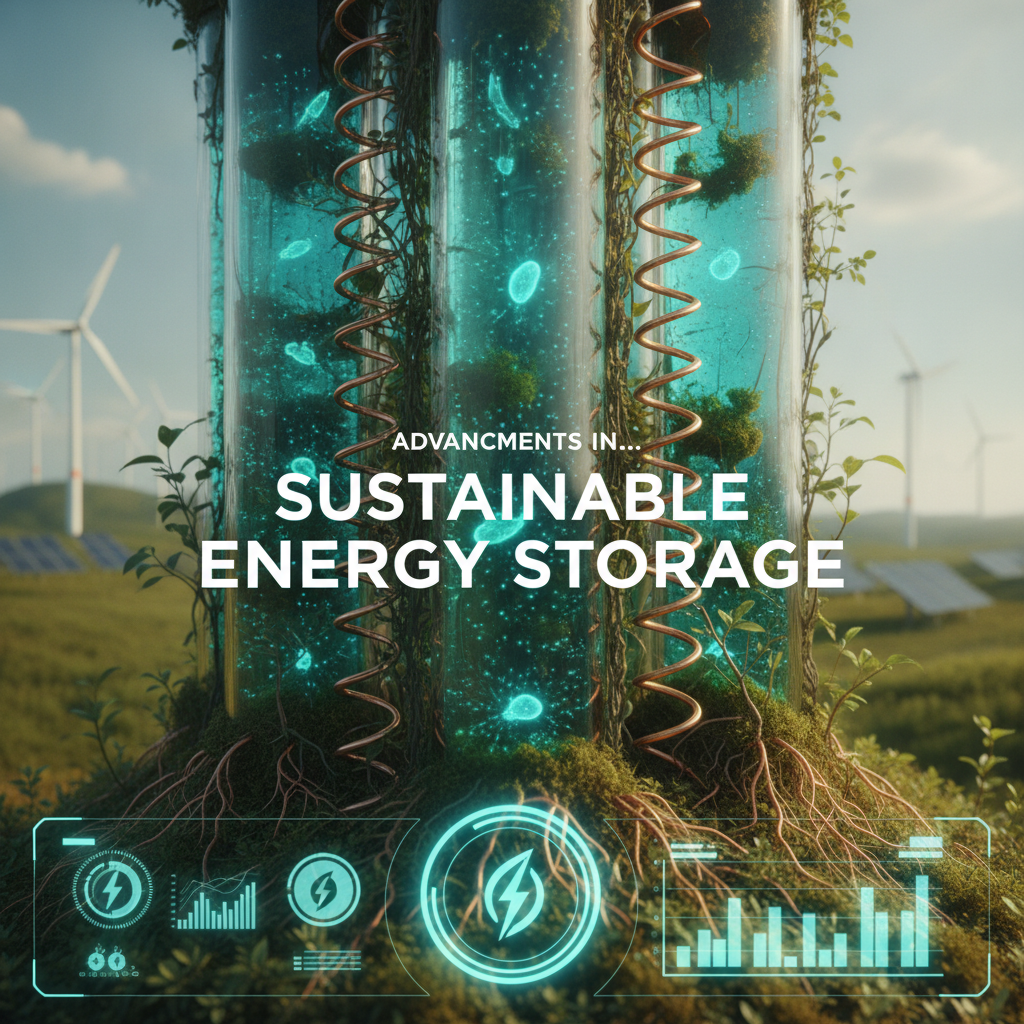
Powering Tomorrow: Sustainable Energy Storage Breakthroughs
The global push towards a cleaner, greener future hinges not just on generating renewable energy, but also on effectively storing it. Imagine harnessing abundant solar power during the day or strong winds at night, and then having that energy readily available whenever needed. This vision is rapidly becoming a reality thanks to incredible advancements in sustainable energy storage. Let’s explore how innovators are revolutionizing the way we power our world!
The Critical Need for Reliable Storage
Renewable sources like solar and wind are by nature intermittent – the sun doesn’t always shine, and the wind doesn’t always blow. To truly replace fossil fuels and ensure a stable, resilient electricity grid, we need robust ways to store excess energy during peak generation and dispatch it during peak demand or when renewables are offline. This is where sustainable energy storage steps in as the unsung hero of the energy transition.
Beyond Lithium-Ion: Next-Generation Battery Chemistries
While lithium-ion batteries have been a game-changer for electric vehicles and short-duration grid storage, researchers are diligently working on alternatives that are even more sustainable, cost-effective, and suitable for long-duration applications.
One exciting area is Sodium-Ion Batteries. Sodium is far more abundant and cheaper than lithium, making these batteries a promising candidate for large-scale grid storage, reducing reliance on critical minerals. We’re also seeing breakthroughs in Flow Batteries, which store energy in liquid electrolytes contained in external tanks. This design allows for independent scaling of power and energy capacity, making them ideal for multi-hour or even multi-day storage solutions with very long lifespans.
Furthermore, Solid-State Batteries, while still in earlier stages for grid applications, hold immense potential for enhanced safety, energy density, and faster charging, eliminating the flammable liquid electrolytes found in traditional lithium-ion cells.
Innovative Mechanical and Thermal Storage Solutions
Batteries aren’t the only players in the sustainable storage game! Ancient principles are meeting modern engineering to provide ingenious solutions:
- Pumped Hydro Storage (PHS): Still the largest form of grid energy storage globally, PHS uses excess electricity to pump water uphill to a reservoir. When power is needed, the water is released, flowing downhill through turbines to generate electricity. New closed-loop systems are minimizing environmental impact.
- Compressed Air Energy Storage (CAES): Similar to PHS, CAES uses surplus electricity to compress air into underground caverns or tanks. When energy is required, the compressed air is released to drive turbines.
- Thermal Energy Storage: This involves storing energy as heat or cold. Molten salt, for example, can store heat at incredibly high temperatures, often integrated with concentrated solar power plants, releasing it to generate steam for turbines long after the sun sets.
The Path Forward: Scaling Up and Driving Down Costs
The future of sustainable energy storage is incredibly bright, but challenges remain. Continued research is vital to improve energy density, reduce costs, and enhance the longevity and safety of these technologies. We also need robust supply chains for raw materials and efficient recycling processes to ensure that our “sustainable” solutions are truly sustainable from cradle to grave.
As governments, industries, and researchers collaborate, we are steadily moving towards a future where clean, reliable energy is accessible to everyone, around the clock. The advancements in sustainable energy storage aren’t just technical marvels; they are crucial steps towards a healthier planet and a more secure energy future for generations to come.
“`



Leave a Reply