
Cybersecurity’s New Frontier: AI Threats & Defenses
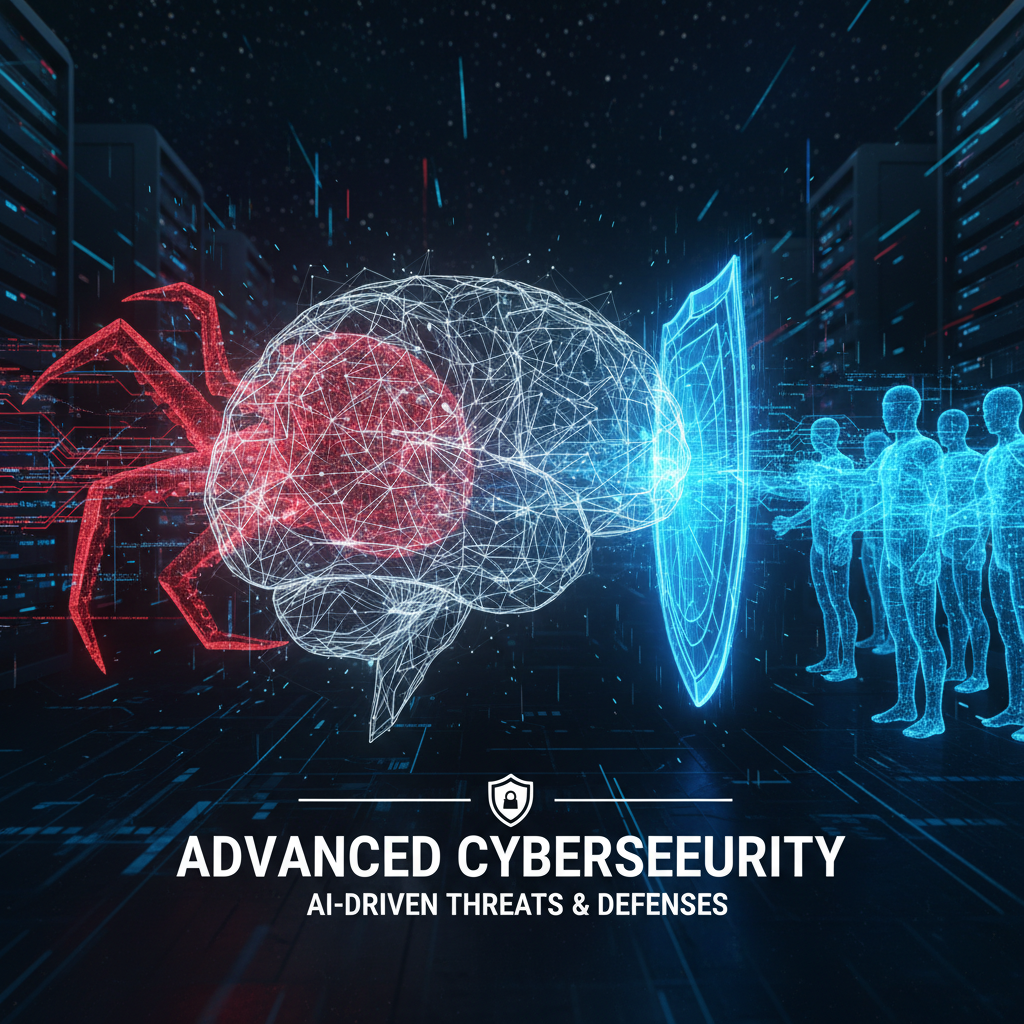
Welcome to the bleeding edge of digital defense! Cybersecurity has always been a high-stakes game of cat and mouse, but with the rapid advancement of Artificial Intelligence (AI), the rules are changing dramatically. AI isn’t just a fancy new tool; it’s a fundamental shift, empowering both incredibly sophisticated attacks and remarkably robust defenses. Let’s dive into how AI is reshaping the cybersecurity landscape.
The AI Revolution in Cybersecurity
For decades, cybersecurity relied on signature-based detection and human analysis. While effective to a degree, this approach often struggled to keep pace with novel threats. Enter AI. Machine learning algorithms can process vast amounts of data, identify complex patterns, and make predictions at speeds far beyond human capability. This power is a double-edged sword, creating both unprecedented vulnerabilities and unparalleled opportunities for protection.
The Dark Side: AI-Powered Cyber Threats
Unfortunately, malicious actors are quick to adopt new technologies, and AI is no exception. We’re seeing a rise in AI-driven threats that are more adaptive, elusive, and personalized than ever before:
- Sophisticated Phishing & Social Engineering: AI can generate highly convincing deepfake audio/video and perfectly crafted phishing emails or messages that mimic individuals’ communication styles, making them incredibly difficult to detect.
- Adaptive Malware: AI-powered malware can learn from its environment, evade detection by security systems, and autonomously evolve to bypass defenses, making traditional antivirus solutions less effective.
- Automated Vulnerability Exploitation: AI algorithms can rapidly scan for and exploit vulnerabilities in systems, reducing the time between a vulnerability’s discovery and its exploitation, often before human defenders can react.
- Reinforcement Learning for Attacks: Attack agents powered by reinforcement learning can explore networks, identify optimal attack paths, and adapt their strategies on the fly without human intervention.
Fighting Fire with Fire: AI as a Cybersecurity Defender
But it’s not all doom and gloom! Cybersecurity professionals are leveraging AI to build more intelligent, proactive, and resilient defense systems:
- Advanced Threat Detection: AI excels at anomaly detection. It can analyze network traffic, user behavior, and system logs in real-time to spot deviations from normal patterns, identifying zero-day threats and sophisticated attacks that might otherwise go unnoticed.
- Automated Incident Response: AI-powered Security Orchestration, Automation, and Response (SOAR) platforms can automatically investigate alerts, contain threats, and even apply patches, drastically reducing response times from hours to minutes or even seconds.
- Predictive Analytics and Risk Management: AI can analyze historical data and current threat intelligence to predict potential attack vectors and vulnerabilities, allowing organizations to proactively bolster their defenses before an attack occurs.
- Behavioral Biometrics: AI can continuously monitor user behavior (typing patterns, mouse movements, etc.) to verify identity and detect account takeovers in real-time, adding an extra layer of security beyond traditional passwords.
The Ever-Evolving Cyber Arms Race
The interplay between AI-driven threats and AI-driven defenses creates a dynamic and fast-paced cybersecurity arms race. As attackers develop new AI methods, defenders must innovate even faster to counter them. This necessitates continuous learning, adaptation, and investment in cutting-edge AI technologies and expert talent.
Embracing the Future: Strategies for Success
To navigate this complex landscape, organizations must adopt a forward-thinking approach:
- Invest in AI-Powered Security Solutions: Implement next-generation firewalls, EDR/XDR, and SIEM solutions that leverage AI and machine learning.
- Foster a Culture of AI Literacy: Train security teams to understand AI’s capabilities and limitations, both for defense and for recognizing AI-powered attacks.
- Prioritize Data Quality: AI models are only as good as the data they’re trained on. Ensure clean, diverse, and relevant data for your security systems.
- Promote Collaboration: Share threat intelligence and collaborate with industry peers and researchers to collectively strengthen defenses against evolving AI threats.
The future of cybersecurity is inextricably linked with AI. While it presents formidable challenges, AI also offers the most promising tools for building a safer digital world. By understanding its dual nature and strategically deploying its capabilities, we can stay one step ahead in this advanced battleground.



Leave a Reply