
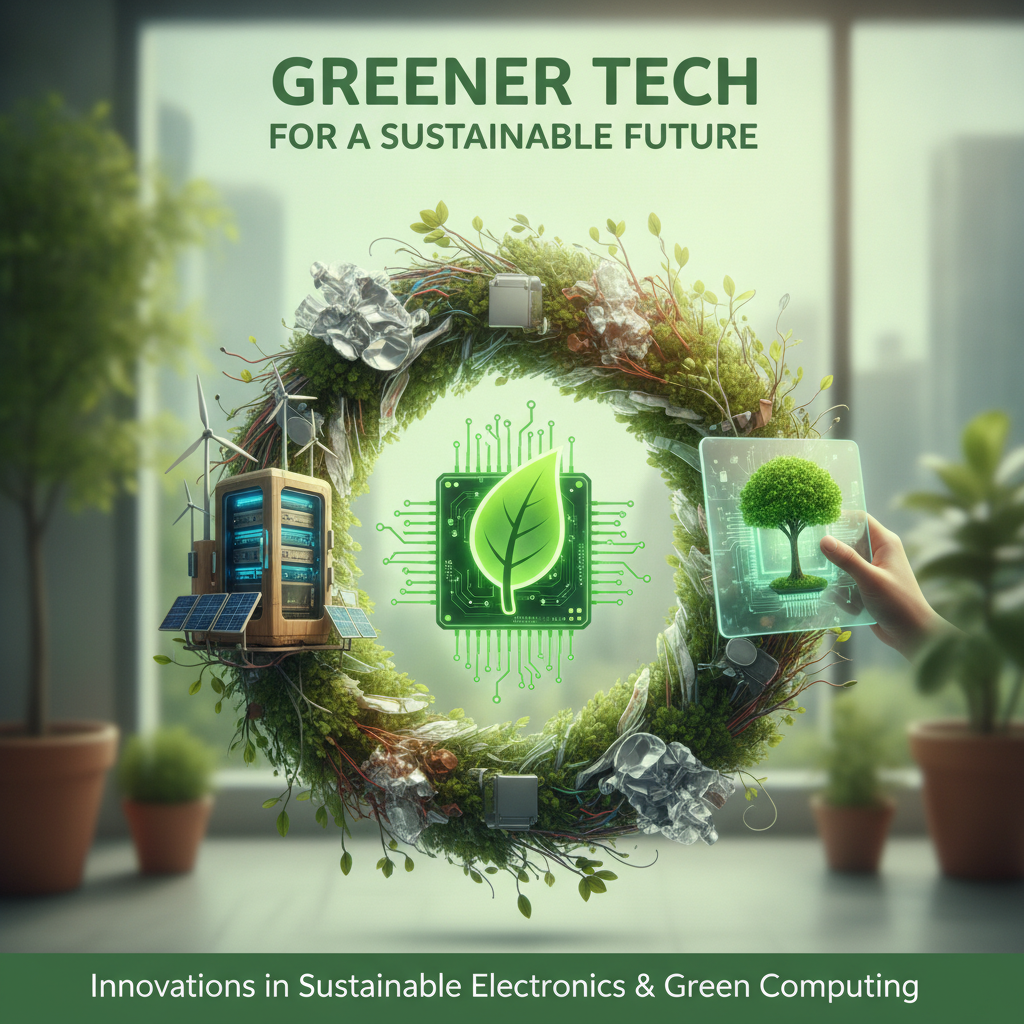
Innovations in Sustainable Electronics and Green Computing
Hello tech enthusiasts and planet protectors! In our fast-paced digital world, it’s easy to overlook the environmental footprint of our beloved gadgets. But what if technology itself could be a solution to sustainability challenges? Today, we’re diving into the exciting realm of sustainable electronics and green computing, where innovation is paving the way for a greener, more responsible tech future.
From the smartphones in our pockets to the vast data centers powering the internet, every piece of tech has an impact. The good news? Forward-thinking minds are hard at work, transforming how we design, produce, use, and dispose of electronics. Let’s explore some of these groundbreaking innovations!
Greener Materials and Manufacturing Processes
One of the biggest hurdles in electronics is the use of rare earth minerals and hazardous materials, along with energy-intensive manufacturing. However, a new wave of innovation is tackling this head-on. Imagine electronics made from recycled plastics, bio-based polymers, or even wood! Companies are exploring sustainable alternatives like recycled aluminum, ocean-bound plastic, and plant-based materials to reduce reliance on virgin resources and minimize toxic waste.
Beyond materials, manufacturing itself is becoming smarter and greener. Innovations include using renewable energy in factories, optimizing production lines to reduce waste and water consumption, and developing “closed-loop” systems where materials are continually reused. This shift helps lower carbon emissions and reduces the overall ecological impact of creating new devices.
Powering Down with Purpose: Energy Efficiency
Our digital infrastructure consumes a significant amount of electricity, especially data centers. Green computing aims to minimize the energy consumption of IT systems through innovative hardware and software solutions. This includes designing more energy-efficient processors that consume less power while delivering high performance, and developing “sleep modes” and intelligent power management features in devices that truly make a difference.
For large-scale operations, innovations in data center design are critical. Think about advanced cooling techniques like liquid immersion cooling, which is far more efficient than traditional air conditioning, or strategically locating data centers in cooler climates. Furthermore, integrating renewable energy sources like solar and wind power directly into data center operations is becoming a standard for truly green computing, ensuring our digital world runs on clean energy.
Embracing the Circular Economy: Design for Longevity & Recycling
The “take-make-dispose” model is outdated. The future of electronics is circular! Innovations in this area focus on extending product lifespans and ensuring materials can be reused or recycled effectively. This means designing devices that are easier to repair, upgrade, and disassemble. Companies are starting to offer modular designs, allowing users to replace individual components rather than discarding the entire product.
The “right to repair” movement, coupled with improved recycling technologies, is gaining momentum. Advanced recycling processes can now recover a higher percentage of valuable materials from end-of-life electronics, reducing the need for new mining. Moreover, initiatives that support refurbishment and resale of electronics are keeping devices in use longer, reducing e-waste and offering affordable technology options. It’s about maximizing value and minimizing waste at every stage.
The Path Forward
The innovations in sustainable electronics and green computing are more than just buzzwords; they represent a fundamental shift in how we interact with technology and our planet. From greener materials and energy-efficient designs to products built for longevity and easy recycling, the future of tech is looking brighter and greener.
As consumers, we also play a vital role. By choosing sustainable products, supporting companies committed to eco-friendly practices, and participating in proper recycling programs, we can all contribute to this positive transformation. Let’s embrace these innovations and work together towards a world where technology and environmental responsibility go hand in hand!



Leave a Reply