
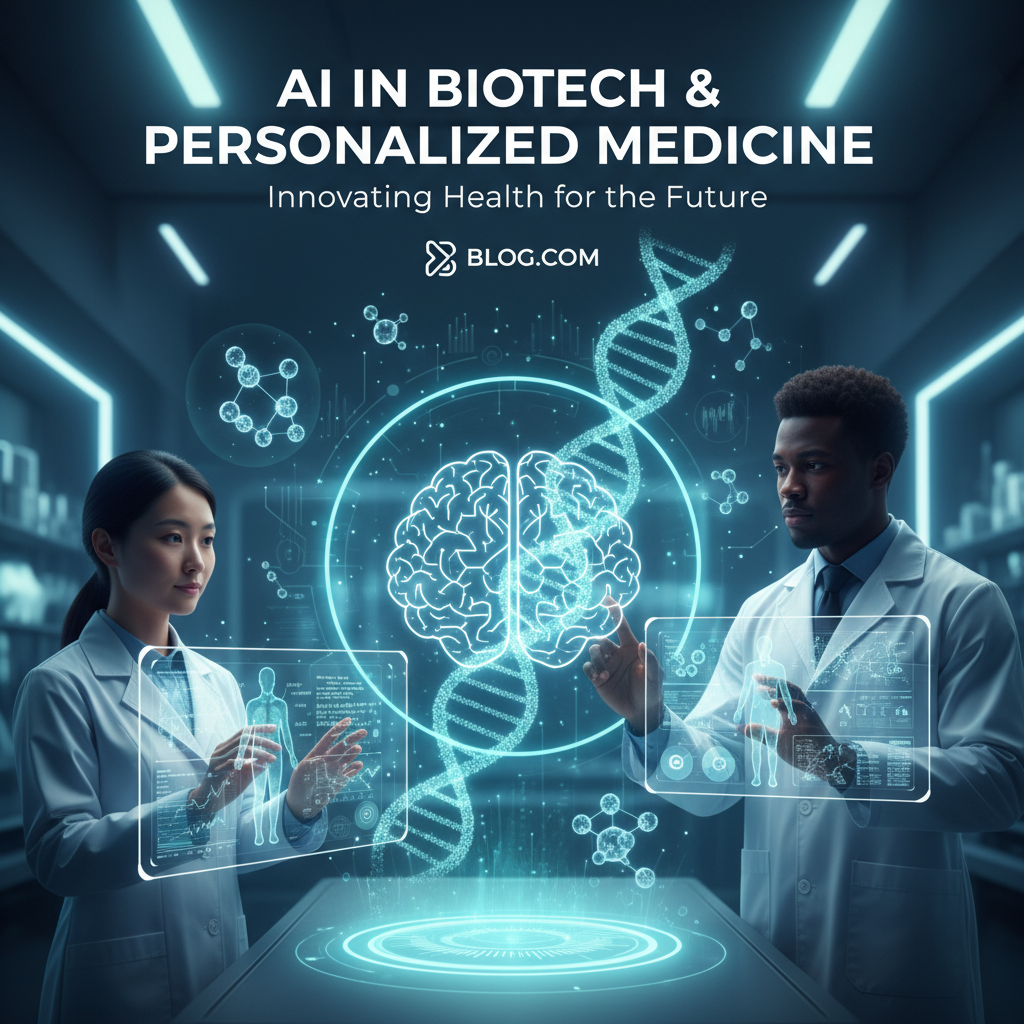
AI in Biotech: Your Future, Personalized.
We’re living in an era where technology is reshaping every aspect of our lives, and healthcare is no exception. The synergy between Artificial Intelligence (AI) and biotechnology is not just a buzzword; it’s a profound revolution, especially in the realm of personalized medicine. Imagine treatments tailored exactly to your unique genetic makeup and lifestyle – that future is rapidly becoming our present, thanks to AI.
Accelerating Discovery: AI in R&D
Drug discovery has historically been a lengthy, expensive, and often unpredictable process. AI is changing the game by sifting through massive datasets of biological information, chemical compounds, and patient data at unprecedented speeds. Machine learning algorithms can identify potential drug candidates, predict their efficacy, and even simulate their interactions with human biology long before costly lab experiments begin. This significantly shortens development timelines and increases the success rate of bringing new, life-saving therapies to market.
From identifying novel protein structures to optimizing vaccine development, AI’s analytical power is transforming the research and development pipeline, making it more efficient and cost-effective. It’s like having a super-powered scientist working tirelessly, exploring possibilities human researchers might miss.
Tailored Treatments: The Precision of AI
This is where AI truly shines for personalized medicine. By analyzing an individual’s unique genetic code (genomics), proteomic data, electronic health records, lifestyle factors, and even real-time wearable sensor data, AI can create a comprehensive health profile. This allows doctors to move beyond “one-size-fits-all” approaches and prescribe treatments that are most likely to be effective for that specific patient, minimizing side effects and maximizing outcomes.
For cancer patients, AI can help predict how a specific tumor will respond to different chemotherapy drugs or identify immunotherapy targets. In managing chronic diseases like diabetes, AI can analyze dietary patterns and glucose levels to recommend personalized interventions. This level of precision medicine promises a future where healthcare is truly individual-centric.
Navigating the Path: Challenges & Ethics
While the potential is immense, integrating AI into biotech and personalized medicine isn’t without its hurdles. Data privacy and security are paramount, as these systems handle highly sensitive personal health information. Ensuring the fairness and transparency of AI algorithms is also crucial to avoid biases that could lead to disparities in care. We also need robust regulatory frameworks to ensure the safety and effectiveness of AI-driven diagnostics and therapies.
The human element remains irreplaceable. AI is a powerful tool to augment, not replace, the expertise and empathy of healthcare professionals. Striking the right balance between technological advancement and ethical considerations will be key to successful implementation.
A Healthier Horizon: The Future of AI in Medicine
Looking ahead, the collaboration between AI specialists, biologists, clinicians, and ethicists will continue to push the boundaries of what’s possible. We can anticipate even more sophisticated AI models capable of predicting disease risk years in advance, driving proactive preventative care rather than reactive treatment.
AI will also play a pivotal role in global health, making advanced diagnostic tools and personalized treatment recommendations accessible to underserved populations. The journey is just beginning, and the fusion of AI and biotech promises a healthier, more personalized future for all of us.
“`


Leave a Reply