
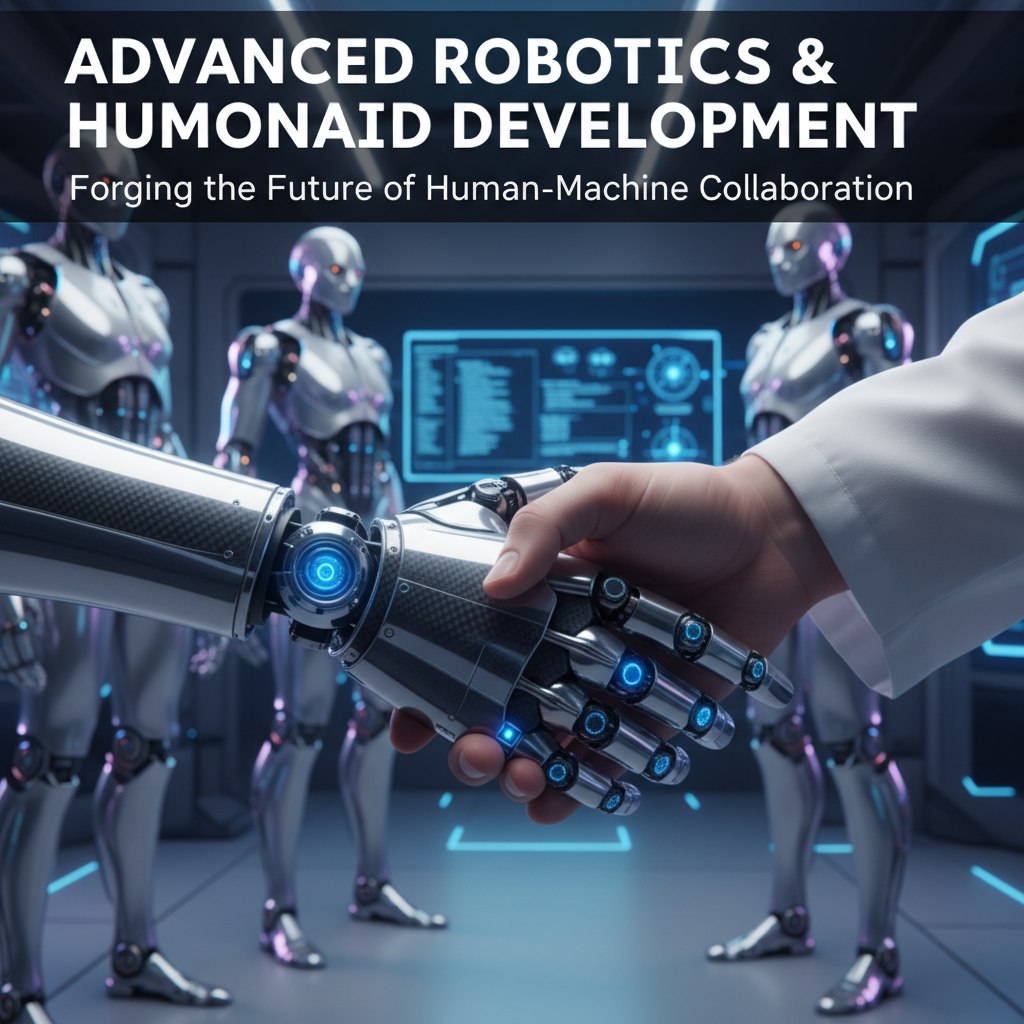
The Future is Now: Advanced Robotics & Humanoids
Welcome to a fascinating journey into the world of advanced robotics and humanoid development! What once felt like pure science fiction is rapidly becoming our reality. From sophisticated industrial assistants to robots designed to interact with us on a personal level, the advancements are breathtaking. Let’s explore what’s making this revolution possible and what it means for our future.
Beyond the Bots: What Defines “Advanced”?
When we talk about “advanced robotics,” we’re moving far beyond the repetitive factory arms of yesteryear. Today’s cutting-edge robots are characterized by their autonomy, adaptability, and intelligence. They can learn from their environments, make complex decisions, navigate unpredictable spaces, and even perform tasks that require fine motor skills and intricate sensory perception. Think less programmed machine, more intelligent assistant.
This leap is powered by sophisticated AI algorithms, machine learning, computer vision, and improved sensor technologies that allow robots to see, hear, and feel their surroundings with unprecedented clarity. They’re no longer just following commands; they’re understanding context.
The Humanoid Frontier: Why Human-Like?
Perhaps the most captivating aspect of advanced robotics is the drive towards humanoid development. Why build robots in our image? The reasons are multi-faceted. Humanoid robots are designed to operate in environments built for humans – our homes, offices, hospitals, and even disaster zones. Their two legs, two arms, and dexterous hands allow them to use our tools, navigate our stairs, and interact with objects designed for human use.
Beyond practicality, there’s the social aspect. Humanoids like Boston Dynamics’ Atlas or high-dexterity robots designed for caregiving aim for more intuitive and natural interaction with humans, potentially revolutionizing fields from healthcare to education and even entertainment. Imagine a robot companion that can understand your needs and assist with daily tasks, making life easier and more connected.
Key Technologies Fueling Progress
The rapid acceleration in advanced robotics is a testament to breakthroughs across several technological fronts:
- Artificial Intelligence & Machine Learning: These are the brains of modern robots, enabling them to learn, adapt, recognize patterns, and make decisions autonomously.
- Advanced Sensors: Lidar, cameras, force sensors, and tactile sensors give robots a comprehensive understanding of their environment, allowing for safe and precise interaction.
- Improved Actuators & Materials: Lighter, stronger, and more energy-efficient motors and materials allow for more agile, durable, and lifelike movements.
- Cloud Robotics: Connecting robots to the cloud allows them to share data, learn from each other, and access vast computational resources, accelerating their collective intelligence.
Societal Impact & Ethical Considerations
As we push the boundaries of advanced robotics and humanoid development, it’s vital to consider the broader societal implications. How will these technologies impact employment, privacy, and human interaction? What ethical frameworks do we need to establish for autonomous decision-making in robots?
The conversation around robot rights, responsibility, and the potential for bias in AI systems is ongoing and crucial. By proactively addressing these questions, we can ensure that these incredible advancements serve humanity in the best possible way, fostering a future where humans and intelligent machines can coexist and collaborate effectively.
The journey into advanced robotics and humanoid development is just beginning, filled with immense promise and exciting challenges. It’s a field that truly embodies the spirit of innovation, pushing the boundaries of what’s possible and reshaping our world, one intelligent machine at a time. What are your thoughts on this fascinating future?



Leave a Reply