
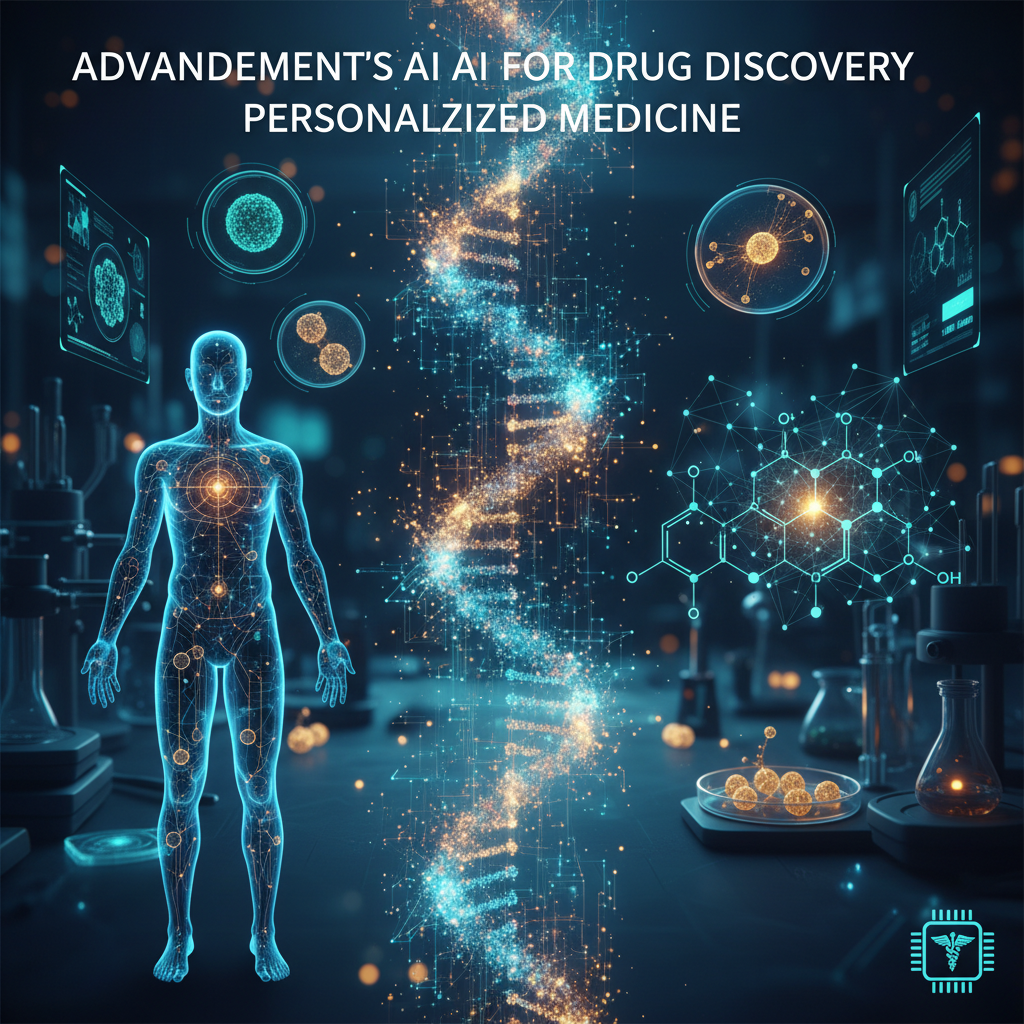
AI Supercharging Drug Discovery & Personalized Care
The world of medicine is undergoing a profound transformation, and at its heart is Artificial Intelligence (AI). Once a realm of science fiction, AI is now a pivotal tool, dramatically accelerating the pace of drug discovery and paving the way for truly personalized treatments. Let’s explore how this incredible technology is reshaping our health future.
Unlocking New Therapies Faster and Smarter
Traditional drug discovery is a long, expensive, and often unpredictable journey, taking over a decade and billions of dollars. AI is changing this paradigm by significantly streamlining the process. Machine learning algorithms can analyze vast datasets – including chemical structures, biological pathways, genomic information, and patient outcomes – at speeds impossible for humans.
By sifting through countless potential compounds, AI can identify promising drug candidates, predict their efficacy, potential side effects, and optimal dosages far more quickly. It helps researchers understand complex disease mechanisms, design new molecules from scratch, and even repurpose existing drugs for new indications. This means a faster path from hypothesis to clinical trials, bringing life-saving medications to patients sooner.
Tailoring Treatment for *You*: The Dawn of Personalized Medicine
Imagine a world where your treatment plan isn’t a one-size-fits-all approach, but meticulously crafted for your unique biological makeup. This is the promise of personalized medicine, and AI is making it a reality. By analyzing an individual’s genetic profile, lifestyle data, medical history, and even real-time health metrics from wearables, AI can create an incredibly detailed picture of their health.
This deep insight allows doctors to predict disease risk more accurately, identify the most effective therapies for specific conditions (like targeted cancer treatments), and even anticipate how a patient might respond to certain medications, minimizing adverse reactions. AI helps in optimizing drug dosages, predicting disease progression, and guiding preventative strategies, moving us towards truly proactive and individualized healthcare.
The Road Ahead: Challenges and Immense Promise
While the advancements are breathtaking, the journey isn’t without its challenges. Issues like data privacy, ensuring the quality and accessibility of diverse datasets, and developing “explainable AI” (where we understand *why* AI makes certain recommendations) are crucial areas of focus. Regulatory frameworks also need to adapt to this rapidly evolving landscape.
However, the promise is immense. As AI technologies continue to mature and collaboration between AI experts, pharmaceutical companies, clinicians, and regulatory bodies strengthens, we can expect even more groundbreaking discoveries. AI is not just a tool; it’s a partner empowering researchers and healthcare providers to usher in a new era of healthier, longer, and more personalized lives for everyone.
“`


Leave a Reply