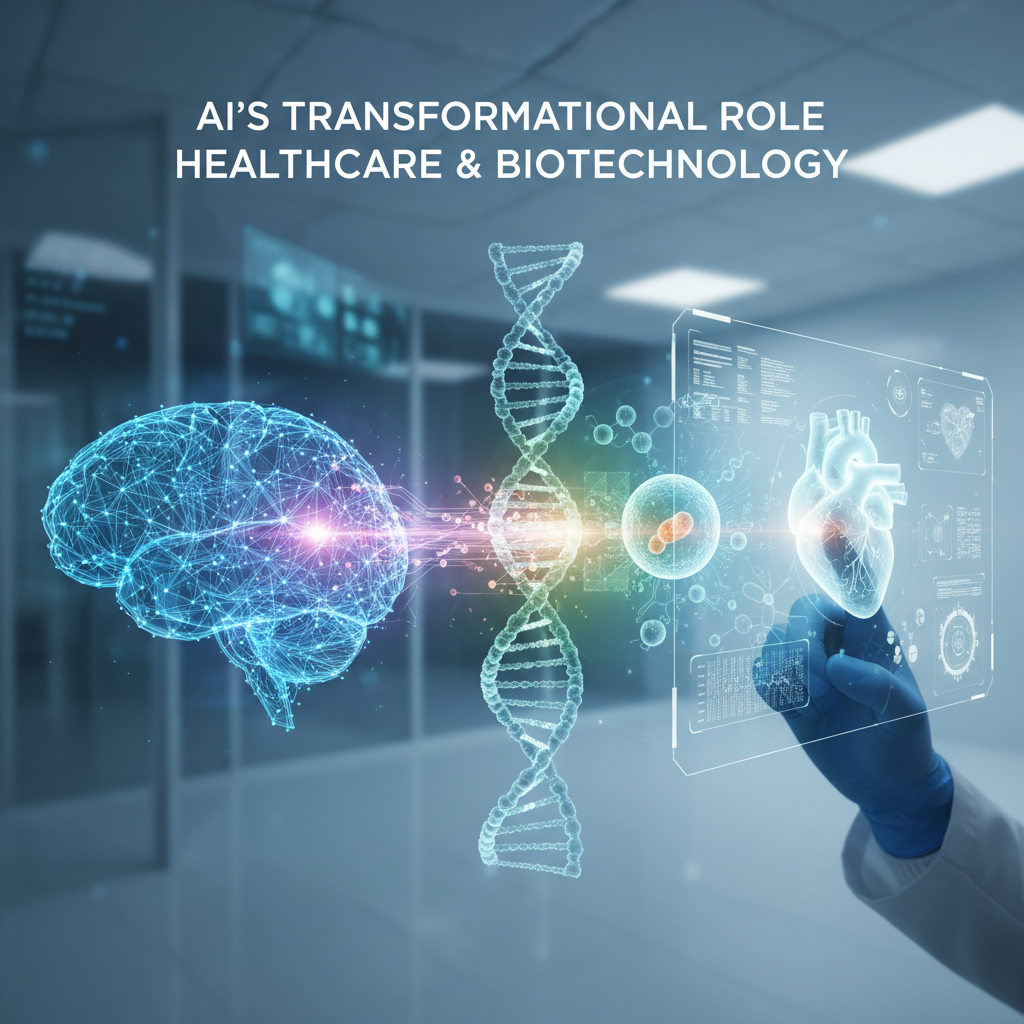
In an era defined by rapid technological advancement, few innovations have captured the world’s imagination quite like Artificial Intelligence (AI). While its applications span nearly every industry, AI’s foray into healthcare and biotechnology is nothing short of revolutionary. It’s not just about making things faster or more efficient; it’s about unlocking entirely new possibilities for diagnosis, treatment, and our understanding of life itself.
Revolutionizing Diagnostics & Early Detection
One of the most immediate and impactful contributions of AI is in the realm of diagnostics. AI-powered algorithms are becoming incredibly adept at analyzing complex medical images—like X-rays, MRIs, and CT scans—often with greater speed and accuracy than the human eye. This capability allows for earlier detection of critical conditions, from subtle tumors in cancer screenings to early signs of eye diseases or neurological disorders. Beyond images, AI can sift through vast amounts of patient data, identifying patterns and predictive markers that might signal disease onset long before symptoms appear, paving the way for proactive intervention.
Accelerating Drug Discovery & Development
The journey from a scientific hypothesis to a marketable drug is notoriously long, costly, and fraught with failure. AI is dramatically changing this landscape. By analyzing massive datasets of molecular structures, genetic information, and patient responses, AI can identify potential drug candidates, predict their efficacy and toxicity, and even design novel compounds from scratch. This not only shortens the drug discovery pipeline but also increases the likelihood of success, ultimately bringing life-saving treatments to patients faster and more affordably.
Unlocking Personalized Medicine
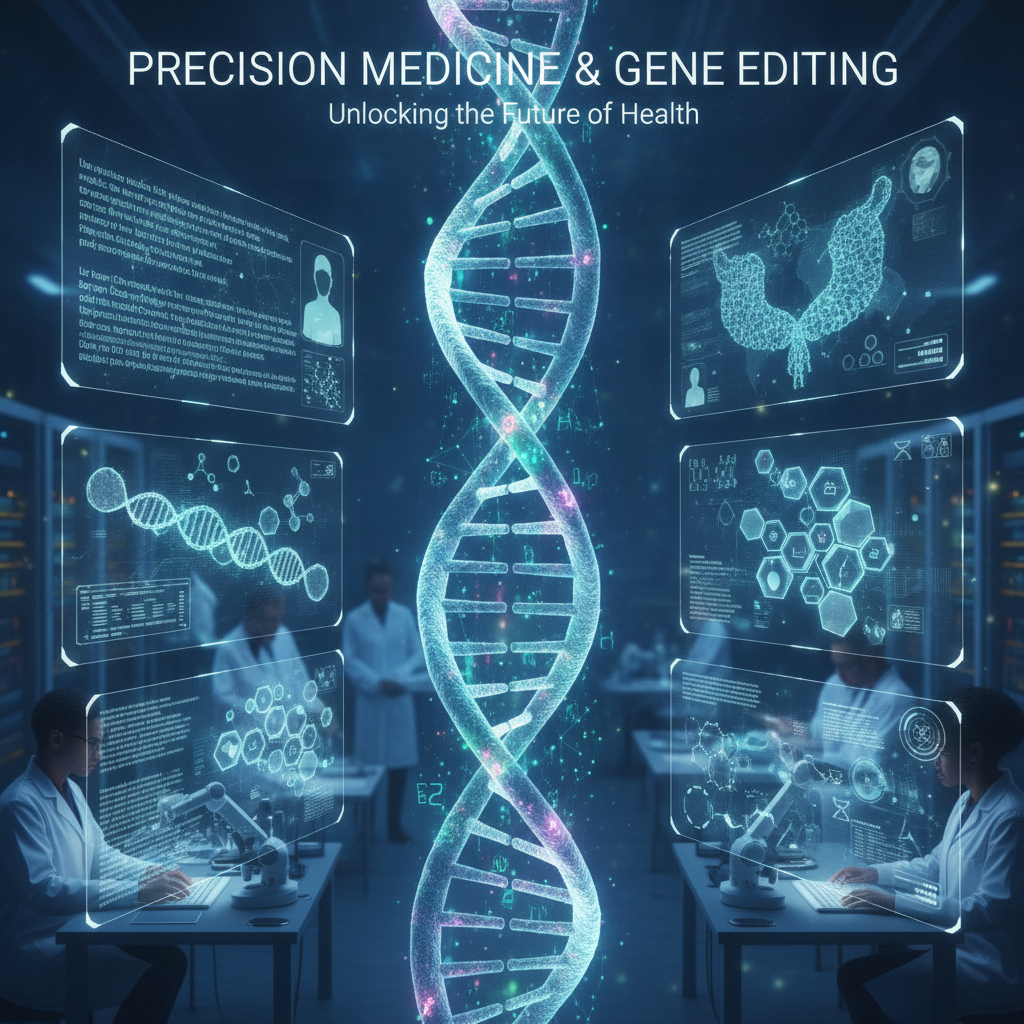
The future of medicine is personal, and AI is its key enabler. Imagine treatments tailored not just to a disease, but to your unique genetic makeup, lifestyle, and medical history. AI can analyze an individual’s genomic data, proteomics, and real-world health information to predict how they will respond to specific drugs, recommend precise dosages, and even devise bespoke preventive strategies. This shift from a “one-size-fits-all” approach to highly individualized care promises better outcomes and fewer side effects.
Enhancing Operational Efficiency & Patient Care
Beyond the lab and the clinic, AI is also streamlining the operational aspects of healthcare. From optimizing hospital workflows, managing appointment scheduling, and predicting patient no-shows, to improving supply chain logistics for medical supplies, AI is making healthcare systems more efficient and responsive. It can also empower medical professionals by reducing administrative burdens, allowing them to focus more of their valuable time on direct patient care.
The Path Forward: Challenges & Opportunities
While the potential of AI in healthcare and biotechnology is immense, its integration is not without challenges. Ethical considerations around data privacy, algorithmic bias, and the critical need for human oversight are paramount. The successful adoption of AI requires robust data governance, interdisciplinary collaboration between AI experts, clinicians, and policymakers, and continuous education to ensure responsible and equitable development. However, by addressing these challenges head-on, we can harness AI’s power to build a healthier, more advanced future for everyone.
The transformative role of AI in healthcare and biotechnology is not a distant dream but a present-day reality. It’s an exciting frontier that promises to redefine what’s possible, pushing the boundaries of human health and scientific discovery like never before. The journey has just begun, and the prospects are incredibly bright.
“`


Leave a Reply