
Quantum Computing: A Double-Edged Sword for Cybersecurity
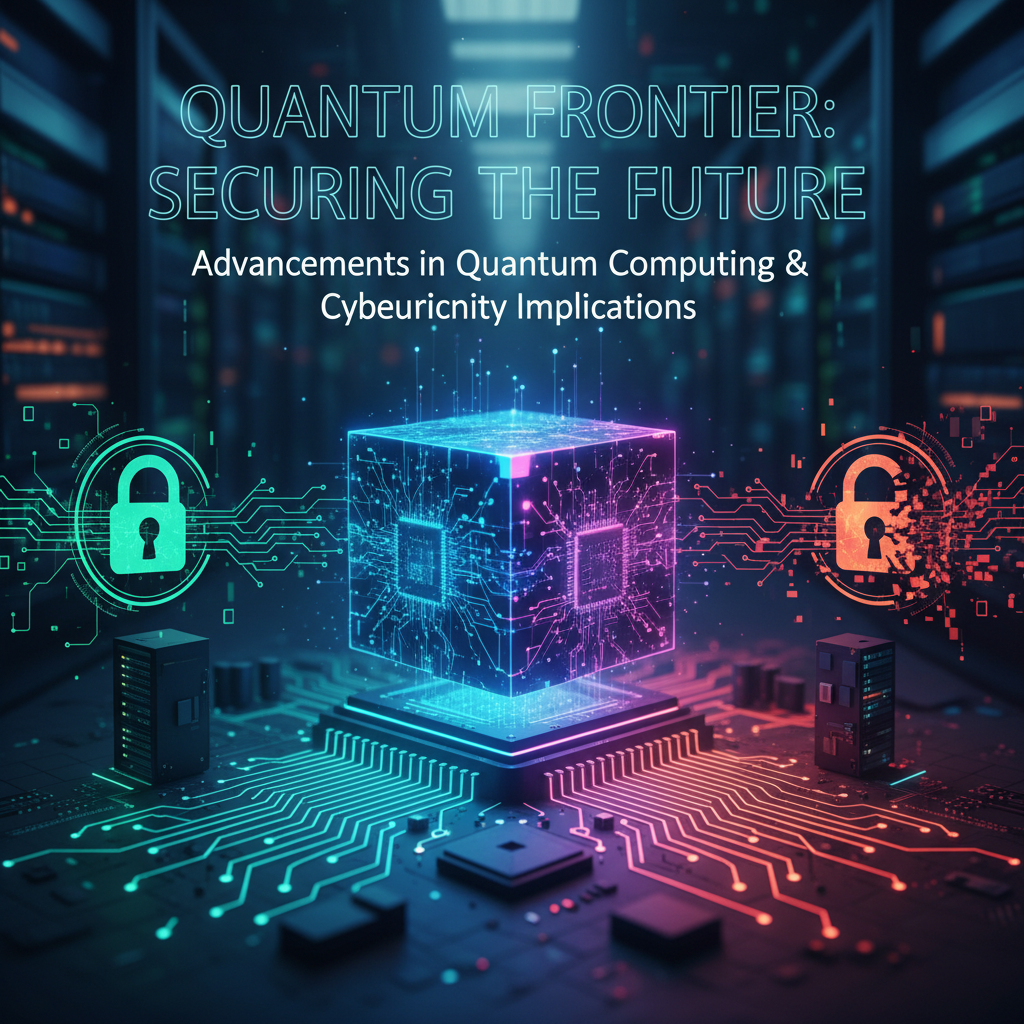
The world of computing is on the cusp of a revolution, driven by the mind-bending principles of quantum mechanics. Quantum computing, once a theoretical concept, is rapidly advancing from labs to practical applications. While it promises to unlock solutions to some of humanity’s most complex challenges, these same advancements cast a long, complex shadow over our current cybersecurity paradigms. Let’s dive into this fascinating, dual-edged future.
What is Quantum Computing, Anyway?
Unlike classical computers that use bits representing 0 or 1, quantum computers leverage “qubits.” Qubits can represent 0, 1, or both simultaneously through a phenomenon called superposition. They can also be “entangled,” meaning their states are linked even when separated. These unique properties allow quantum computers to process vast amounts of information in ways classical computers simply cannot, solving certain problems exponentially faster.
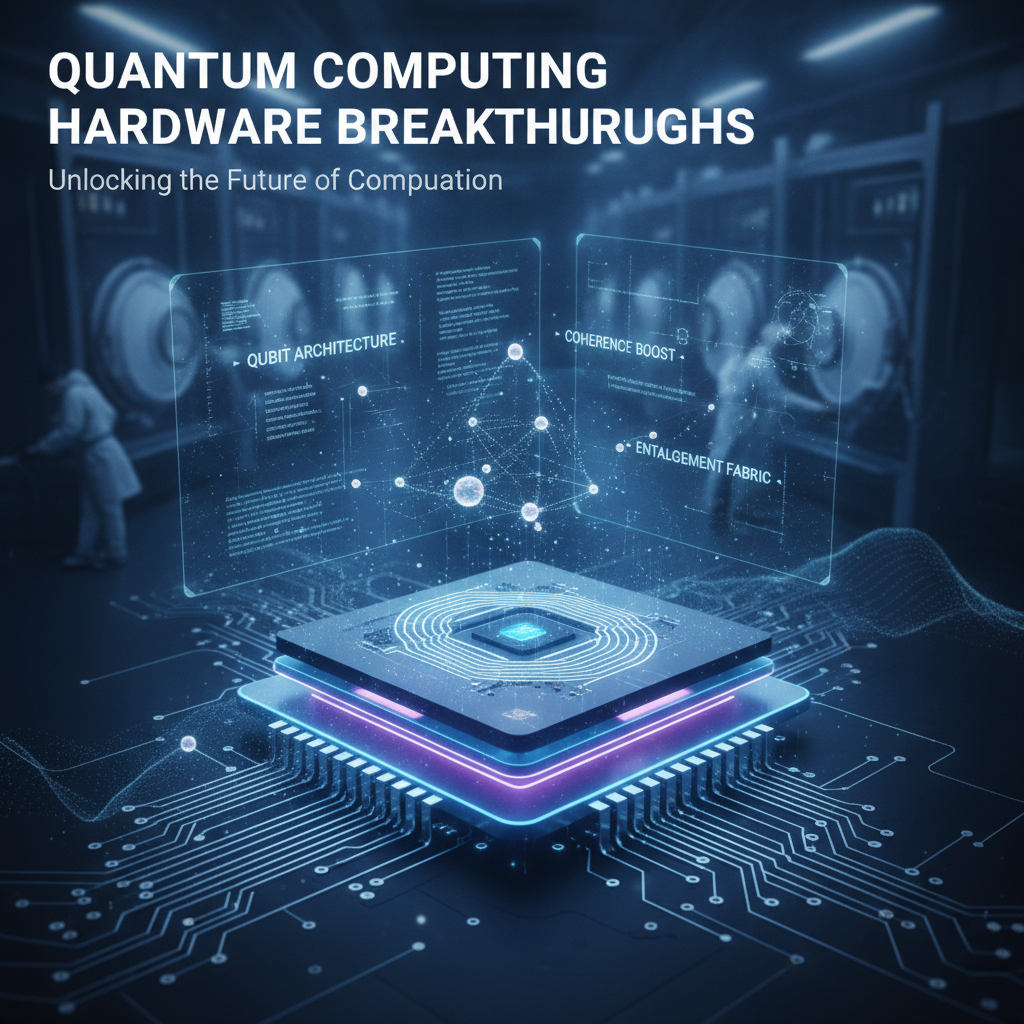
Recent breakthroughs in qubit stability, error correction, and the development of quantum algorithms have propelled quantum computing forward. Giants like IBM, Google, and a host of startups are making significant strides, pushing the boundaries of what’s possible, from quantum supremacy demonstrations to building more robust quantum processors.
The Cybersecurity Quagmire: Quantum Threats
The very power that makes quantum computing so exciting also makes it a significant threat to our digital security. The most immediate and critical concern is its potential to break current public-key encryption standards. Algorithms like RSA and Elliptic Curve Cryptography (ECC), which underpin secure communications, online transactions, and digital signatures worldwide, rely on the mathematical difficulty of factoring large numbers or solving discrete logarithms.
However, Shor’s algorithm, developed in 1994, demonstrates that a sufficiently powerful quantum computer could efficiently solve these problems, rendering current encryption useless. This means that financial data, government secrets, personal information, and even encrypted communications stored today could be vulnerable to decryption by a future quantum machine. This “harvest now, decrypt later” threat is already a serious concern for intelligence agencies and critical infrastructure operators.
Building a Quantum-Resistant Future: Post-Quantum Cryptography
Fear not, the cybersecurity community isn’t sitting idly by! The race is on to develop and implement “quantum-resistant” or “post-quantum cryptography” (PQC). These are cryptographic algorithms designed to be secure against both classical and quantum attacks. The National Institute of Standards and Technology (NIST) has been leading a multi-year standardization process, evaluating various PQC candidates to replace our current vulnerable algorithms.
Beyond PQC, other quantum-enabled security solutions are emerging. Quantum Key Distribution (QKD), for instance, uses the laws of quantum mechanics to ensure secure key exchange, where any attempt to eavesdrop immediately alters the quantum state, making the intrusion detectable. While QKD has limitations in range and infrastructure, it shows promise for specific high-security applications.
Navigating the Quantum Shift: What’s Next?
For organizations and individuals alike, understanding and preparing for the quantum shift is paramount. Here’s what you should be considering:
- Assess Your Crypto-Agility: Understand where and how you use cryptography today. Are your systems agile enough to switch to new algorithms when PQC is ready?
- Inventory Your Data: Identify sensitive data that needs long-term protection. This data is at risk from the “harvest now, decrypt later” threat.
- Stay Informed: Keep abreast of NIST’s PQC standardization process and general advancements in quantum computing.
- Start Planning: Begin to budget and strategize for a future migration to quantum-resistant standards. This is not a task that can be done overnight.
- Embrace Collaboration: Work with cybersecurity experts, vendors, and industry groups to share knowledge and develop robust transition strategies.
Conclusion: Embrace the Quantum Future, Securely
Quantum computing is not just a distant dream; it’s an evolving reality that will fundamentally reshape our technological landscape. While it presents undeniable cybersecurity challenges, it also fosters innovation in creating more robust, future-proof security solutions. By understanding its implications and proactively preparing, we can collectively navigate this exciting new era, harnessing the immense power of quantum computing while safeguarding our digital world.


Leave a Reply