
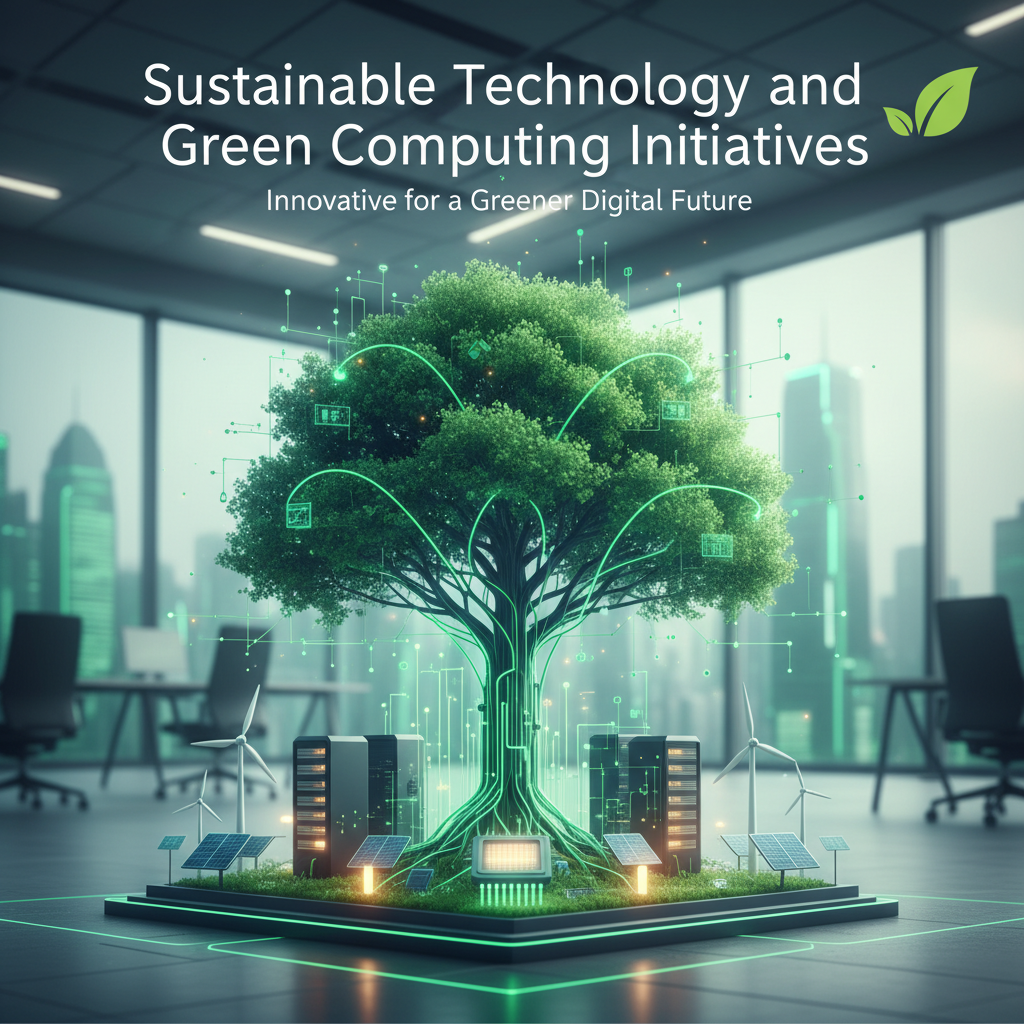
Tech’s Green Leap: Sustainable Computing
In our increasingly digital world, technology drives innovation and progress at an astounding pace. Yet, this incredible power comes with a significant footprint. From the energy powering our devices to the raw materials used in their creation and the waste generated at the end of their lives, the environmental impact is undeniable. This is precisely why “Sustainable Technology” and “Green Computing Initiatives” aren’t just buzzwords; they are essential strategies for a healthier planet.
What is Sustainable Technology?
Sustainable technology refers to the design, development, and use of technological solutions in a way that minimizes environmental impact, conserves natural resources, and supports long-term ecological balance. It’s about looking at the entire lifecycle of a product or service, from extraction of raw materials to manufacturing, usage, and responsible disposal or recycling. The goal is to create technology that meets the needs of the present without compromising the ability of future generations to meet their own needs.
The Heart of Green Computing
Green computing, often used interchangeably with “green IT,” focuses specifically on environmentally responsible and eco-friendly use of computers and their related resources. Its core principles include:
- Minimizing Energy Consumption: Reducing power usage of computers, servers, and peripherals.
- Reducing E-Waste: Promoting the reuse, refurbishment, and recycling of electronic equipment.
- Optimizing Resource Utilization: Using technology to operate more efficiently, often through virtualization or cloud computing.
- Promoting Sustainable Manufacturing: Encouraging manufacturers to adopt environmentally sound practices.
Key Initiatives Driving the Green Tech Revolution
Across industries, organizations are implementing various initiatives to integrate sustainability into their technological frameworks:
Energy-Efficient Hardware and Software
Manufacturers are continuously innovating to produce more energy-efficient components, such as low-power processors, solid-state drives (SSDs), and energy-saving displays. Software optimization also plays a crucial role; well-coded, efficient applications require less processing power, indirectly reducing energy consumption.
Sustainable Data Centers
Data centers, the backbone of our digital world, are massive energy consumers. Green initiatives here include optimizing cooling systems (often the largest energy drain), using renewable energy sources, implementing advanced virtualization techniques to run more applications on fewer physical servers, and designing facilities in cooler climates to reduce cooling needs naturally.
The Power of Cloud Computing and Virtualization
Cloud computing, by its nature, promotes efficiency. Sharing resources across many users means better utilization of hardware and energy. Virtualization allows multiple operating systems and applications to run on a single physical server, dramatically reducing the number of servers required, saving space, energy, and cooling costs.
E-Waste Management and Circular Economy
With technology evolving rapidly, e-waste (electronic waste) is a growing concern. Green initiatives promote robust recycling programs, responsible disposal, and the refurbishment or repurposing of old electronics. The concept of a “circular economy” in tech aims to design products for longevity, repairability, and eventual material recovery rather than a linear “take, make, dispose” model.
Benefits Beyond the Environment
Adopting sustainable technology and green computing isn’t just good for the planet; it offers significant advantages for businesses and individuals alike:
- Cost Savings: Reduced energy consumption directly translates to lower utility bills.
- Enhanced Reputation: Demonstrating environmental responsibility can attract customers, investors, and top talent.
- Regulatory Compliance: Staying ahead of environmental regulations can prevent fines and legal issues.
- Innovation and Efficiency: The drive for sustainability often fosters innovative solutions that also improve operational efficiency.
Your Role in a Greener Digital World
Making a difference starts with conscious choices. As individuals, we can extend the life of our devices, choose energy-efficient models, and responsibly recycle our electronics. Businesses can adopt green procurement policies, invest in sustainable IT infrastructure, and educate employees on energy-saving practices.
Looking Ahead: A Sustainable Digital Future
Sustainable technology and green computing are not just fleeting trends but fundamental shifts in how we approach our digital future. By embracing these initiatives, we can harness the incredible power of technology to drive progress while ensuring that our planet remains healthy and vibrant for generations to come. Let’s work together to build a future where innovation and environmental stewardship go hand in hand.



Leave a Reply