
CRISPR: Reshaping Medicine, One Gene at a Time
Ever heard of “genetic scissors”? That’s essentially what CRISPR is – a revolutionary technology that allows scientists to precisely edit DNA. While it sounds like something straight out of science fiction, CRISPR is rapidly moving from the lab bench to potential real-world therapeutic applications, holding immense promise for treating diseases previously thought incurable. Join us as we explore how this groundbreaking tool is poised to transform healthcare.
Understanding the Magic: How CRISPR Works (Simply!)
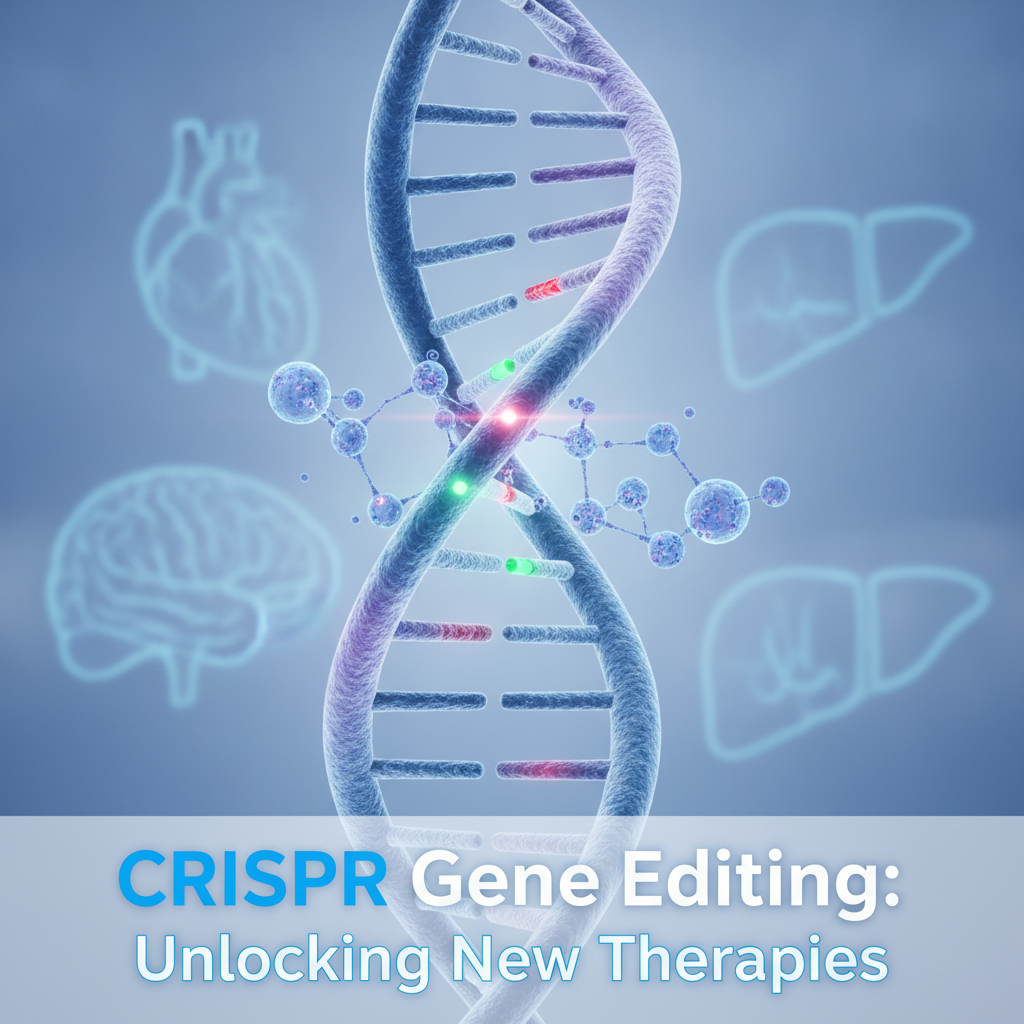
Think of our DNA as a vast instruction manual for building and operating a human body. Sometimes, there’s a typo or a missing page in this manual that causes a disease. CRISPR-Cas9 acts like a super-precise editor that can fix these errors. It works in two main steps:
- Guide RNA: This molecule is like a GPS, designed to perfectly match and guide the system to the exact problematic sequence in the DNA.
- Cas9 Enzyme: Once guided to the right spot, the Cas9 enzyme acts as the “scissors,” making a precise cut in the DNA strand.
Once cut, the cell’s natural repair mechanisms kick in. Scientists can then leverage this process to either remove the faulty gene, correct it, or even insert a new, healthy one. The beauty of CRISPR lies in its remarkable precision and relative ease of use compared to older gene editing methods.
Therapeutic Applications: A World of Possibilities
The versatility of CRISPR means it’s being explored for a wide range of therapeutic uses, offering hope where little existed before:
Tackling Genetic Diseases
This is perhaps the most exciting and immediate application. CRISPR offers a beacon of hope for conditions caused by single-gene defects, such as Sickle Cell Anemia, Cystic Fibrosis, Huntington’s disease, and even certain types of inherited blindness. For instance, in sickle cell disease, CRISPR can be used to correct the faulty gene in a patient’s own blood stem cells (an ex vivo editing approach), which are then re-infused into the patient, allowing them to produce healthy red blood cells.
Fighting Cancer with Precision
CRISPR is also a game-changer in cancer immunotherapy. Researchers are using it to engineer immune cells (like T-cells) from patients, enhancing their ability to better recognize and destroy cancer cells. This can make existing immunotherapies, such as CAR-T cell therapy, even more effective and specific, opening new avenues for treating aggressive cancers.
Combating Infectious Diseases
Beyond genetic and chronic illnesses, CRISPR holds promise in the fight against infectious agents. Researchers are investigating its potential to eliminate viruses from the body, such as HIV, by precisely targeting and disrupting their genetic material within infected human cells. This could one day lead to functional cures for persistent viral infections.
The Journey Ahead: Challenges and Ethical Considerations
While the promise of CRISPR is vast and inspiring, the scientific community is diligently working to overcome several challenges. These include minimizing “off-target edits” (unintended cuts in the DNA that could lead to unforeseen consequences) and developing safe and efficient ways to deliver CRISPR components to the correct cells and tissues deep within the human body.
Ethical considerations are also paramount. There’s a clear distinction between editing somatic cells (non-reproductive cells), which only affects the treated individual, and germline editing (editing sperm, egg, or embryo cells), which would lead to heritable changes passed down through generations. Most therapeutic research currently focuses on somatic cell editing, carefully balancing innovation with profound responsibility.
The Future is Bright for Gene Editing
CRISPR gene editing represents a monumental leap in medical science. While there’s still much research, development, and rigorous testing to be done, its potential to rewrite the future of medicine – offering cures and transformative treatments for a myriad of diseases – is truly inspiring. We are on the cusp of an era where genetic diseases might no longer be a life sentence, all thanks to these remarkable “genetic scissors.” The journey is exciting, and the impact will be profound.
“`


Leave a Reply