
The Rapid Rise of LEO Satellite Internet
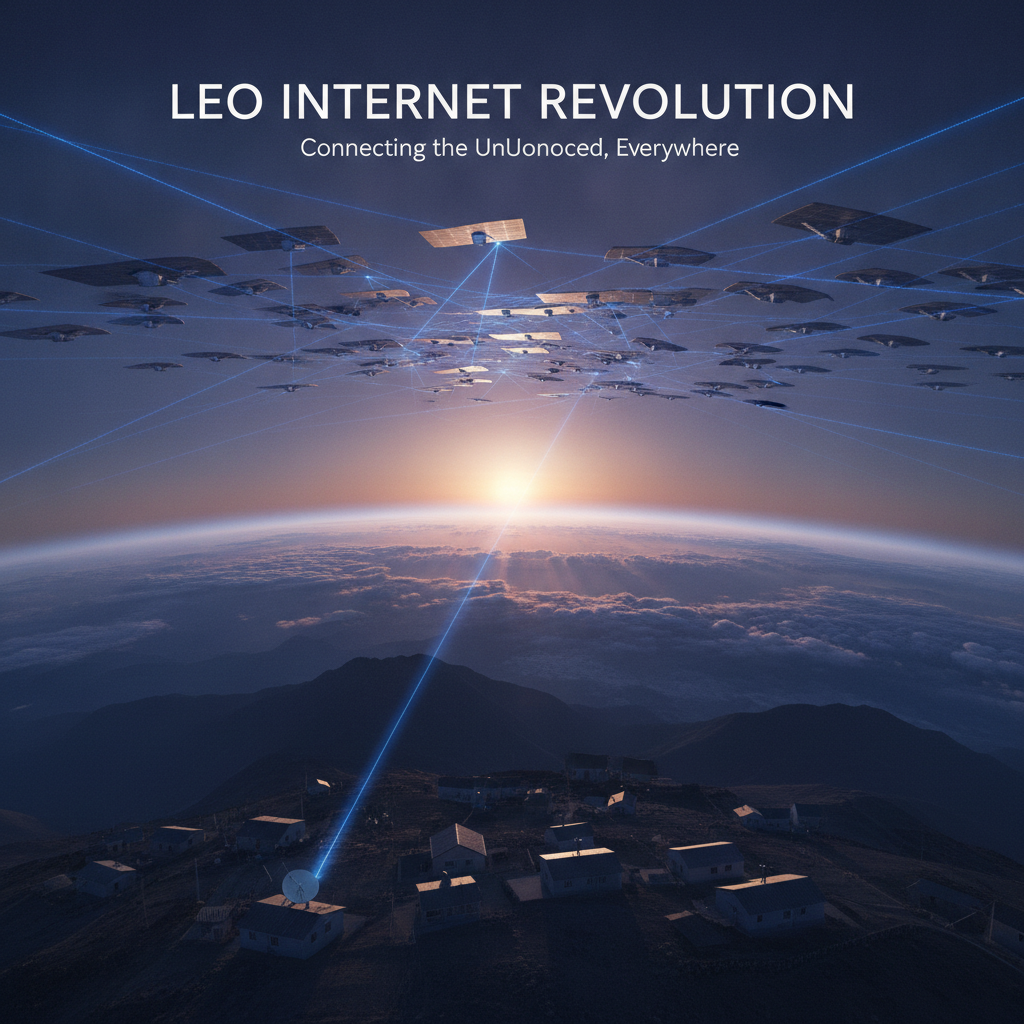
The digital age demands constant, reliable internet access. Yet, vast swathes of our planet remain underserved or completely disconnected. Enter Low-Earth Orbit (LEO) satellite internet, a burgeoning technology poised to revolutionize global connectivity. What began as an ambitious vision is now rapidly expanding, promising a future where distance is no barrier to online access.
What Exactly is LEO Satellite Internet?
Unlike traditional geostationary satellites that orbit far from Earth (around 36,000 km), LEO satellites fly much closer, typically between 300 and 2,000 km. This proximity drastically reduces signal latency, making for a much faster and more responsive internet experience comparable to fiber optics. Think of thousands of small satellites working in concert, forming a dynamic mesh network high above us.
The Current Boom: Major Players & Rapid Deployment
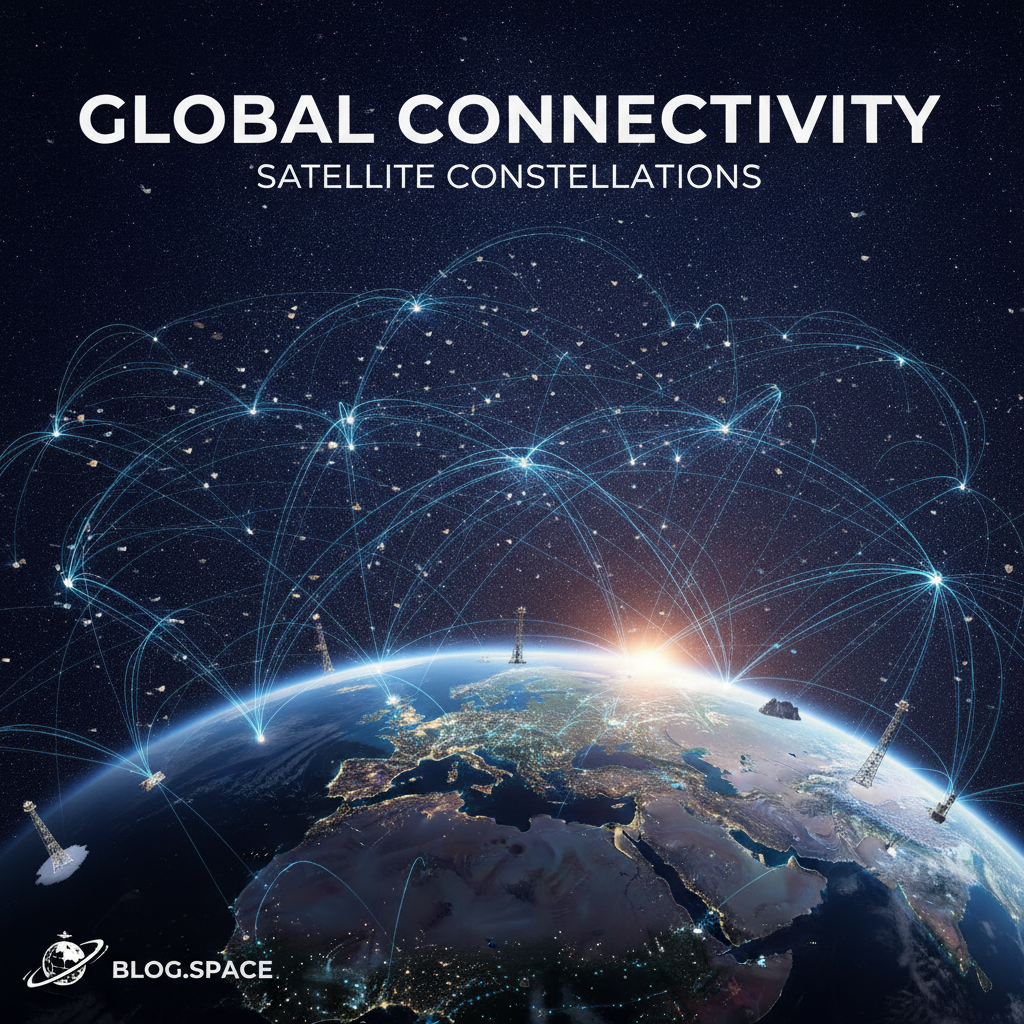
The LEO satellite internet landscape is buzzing with activity. Companies like SpaceX’s Starlink, OneWeb, and Amazon’s Project Kuiper are deploying thousands of satellites, creating constellations that blanket the Earth. This rapid expansion is not just about quantity; it’s about refining technology, improving coverage, and making the service increasingly accessible.
Why This Expansion is a Game-Changer
The implications of widespread LEO satellite internet are profound. Firstly, it’s instrumental in Bridging the Digital Divide, offering a viable solution for remote, rural, and underserved communities, bringing essential educational, healthcare, and economic opportunities online. Secondly, it provides Enhanced Reliability, acting as an alternative or backup for terrestrial networks, crucial during natural disasters or infrastructure failures. Thirdly, it enables Global Mobility, bringing high-speed internet to aircraft, ships, and vehicles, transforming travel and logistics. Lastly, it fuels Economic Growth by creating new industries and job opportunities, fostering innovation in areas previously limited by connectivity.
Navigating the Challenges Ahead
While the future looks bright, the expansion of LEO constellations isn’t without its hurdles. Concerns include the growing issue of space debris, potential light pollution affecting astronomical observations, and the complex international regulatory framework needed to manage this shared global resource. Companies and governments are actively collaborating to address these challenges responsibly, ensuring the sustainability of space for future generations.
A Connected Future is Within Reach
The rapid expansion of Low-Earth Orbit satellite internet is more than just a technological feat; it’s a testament to human ingenuity and our relentless pursuit of a more connected world. As these constellations grow and mature, we move closer to a future where high-speed internet is a universal utility, empowering individuals and communities across the globe.
“`


Leave a Reply