
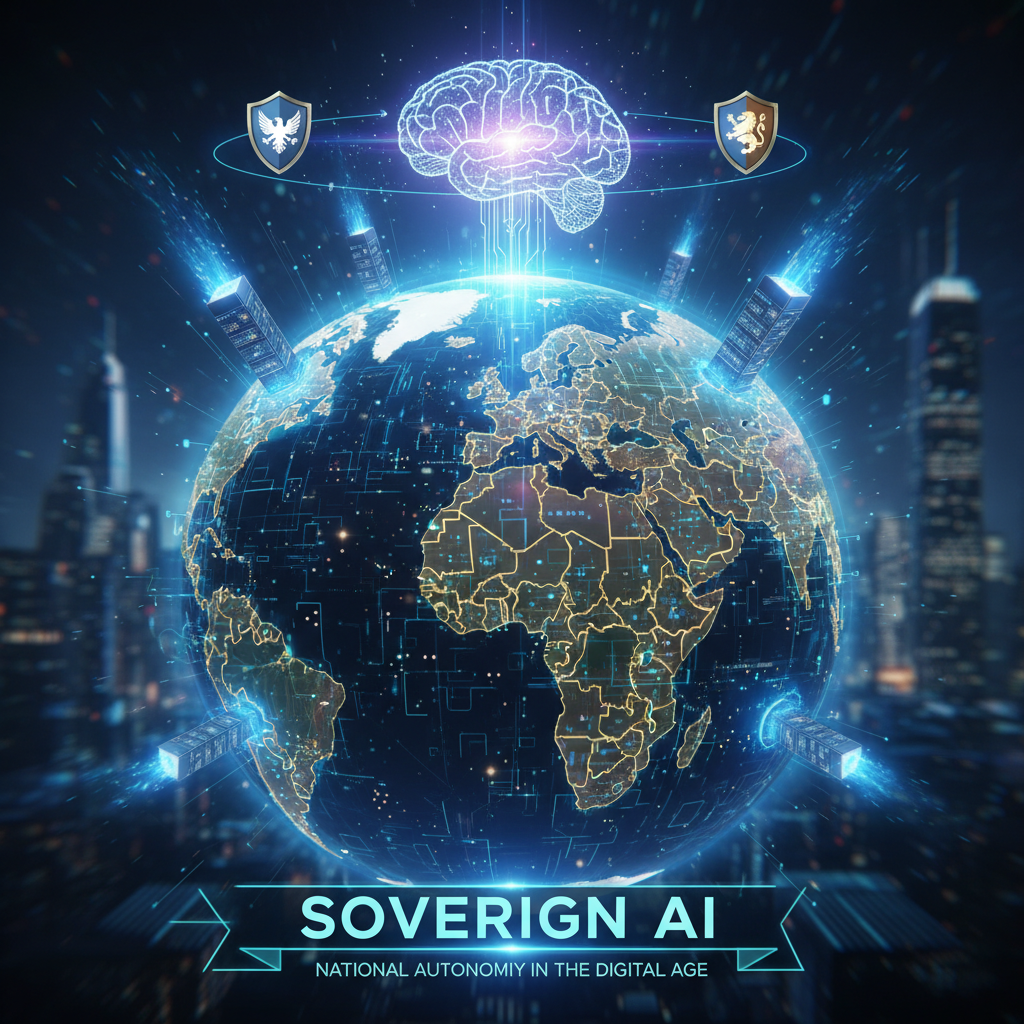
Nations Taking Charge: The Sovereign AI Wave
Artificial Intelligence is rapidly reshaping our world, influencing everything from healthcare and finance to national security and public services. As AI’s transformative power becomes increasingly evident, a new and significant trend is emerging on the global stage: the rise of Sovereign AI initiatives. Countries worldwide are recognizing the strategic importance of AI and are taking proactive steps to develop and control their own domestic AI capabilities.
What Exactly is Sovereign AI?
At its core, “Sovereign AI” refers to a nation’s ability to exert full control over its AI infrastructure, data, algorithms, and models. This isn’t just about using AI; it’s about building, owning, and governing it locally. It means fostering domestic AI talent, ensuring that sensitive national data remains within national borders, and developing AI solutions that are specifically tailored to a country’s unique cultural, ethical, and regulatory frameworks, rather than relying solely on foreign-developed systems.
Why the Push for National AI?
Several powerful drivers are fueling this global shift towards sovereign AI:
National Security and Data Privacy
One of the most compelling reasons is the concern over national security and data privacy. Nations are wary of potential foreign access to critical data or the risk of external influence on essential AI-driven systems. By developing AI domestically, countries aim to protect sensitive information and maintain autonomy over crucial technological infrastructure.
Economic Competitiveness and Innovation
AI is a formidable economic engine. Countries recognize that developing strong domestic AI capabilities is key to fostering local innovation, creating high-value jobs, and ensuring their industries can compete effectively on the global stage. It’s about securing a place at the forefront of the next technological revolution.
Ethical and Cultural Alignment
AI models inherently reflect the data they are trained on. Nations want their AI systems to align with their own unique ethical standards, legal traditions, and cultural values. This ensures that AI applications serve societal needs appropriately, avoiding biases or outcomes that might clash with national norms.
The Benefits of National Control
Embracing sovereign AI brings a host of advantages. It promotes greater trust, transparency, and accountability in AI systems, as they are developed under national oversight. It acts as a catalyst for domestic research and development, cultivating a skilled workforce and driving scientific breakthroughs. Furthermore, it enables the creation of tailor-made solutions that address specific national challenges, from optimizing public services to advancing scientific research.
Navigating the Challenges
While the path to sovereign AI is promising, it’s not without its hurdles. Developing advanced AI requires substantial investment in talent acquisition, cutting-edge computing infrastructure, and sustained research. There’s also the delicate balance between national control and the immense benefits of international collaboration in scientific research. Over-fragmentation or “AI balkanization” could potentially slow global progress if not managed thoughtfully.
Looking Ahead: A Reshaped AI Landscape
Sovereign AI is more than just a passing trend; it’s a defining feature of the future technological landscape. It reflects a profound desire for digital autonomy and a clear recognition of AI’s strategic importance in the 21st century. While global cooperation remains essential for many aspects of AI development, the push for national AI capabilities is fundamentally reshaping how nations interact with and invest in their technological future.
This movement underscores a critical shift: AI is no longer just a tool, but a strategic asset integral to national identity, security, and economic resilience in the digital age.
“`



Leave a Reply