
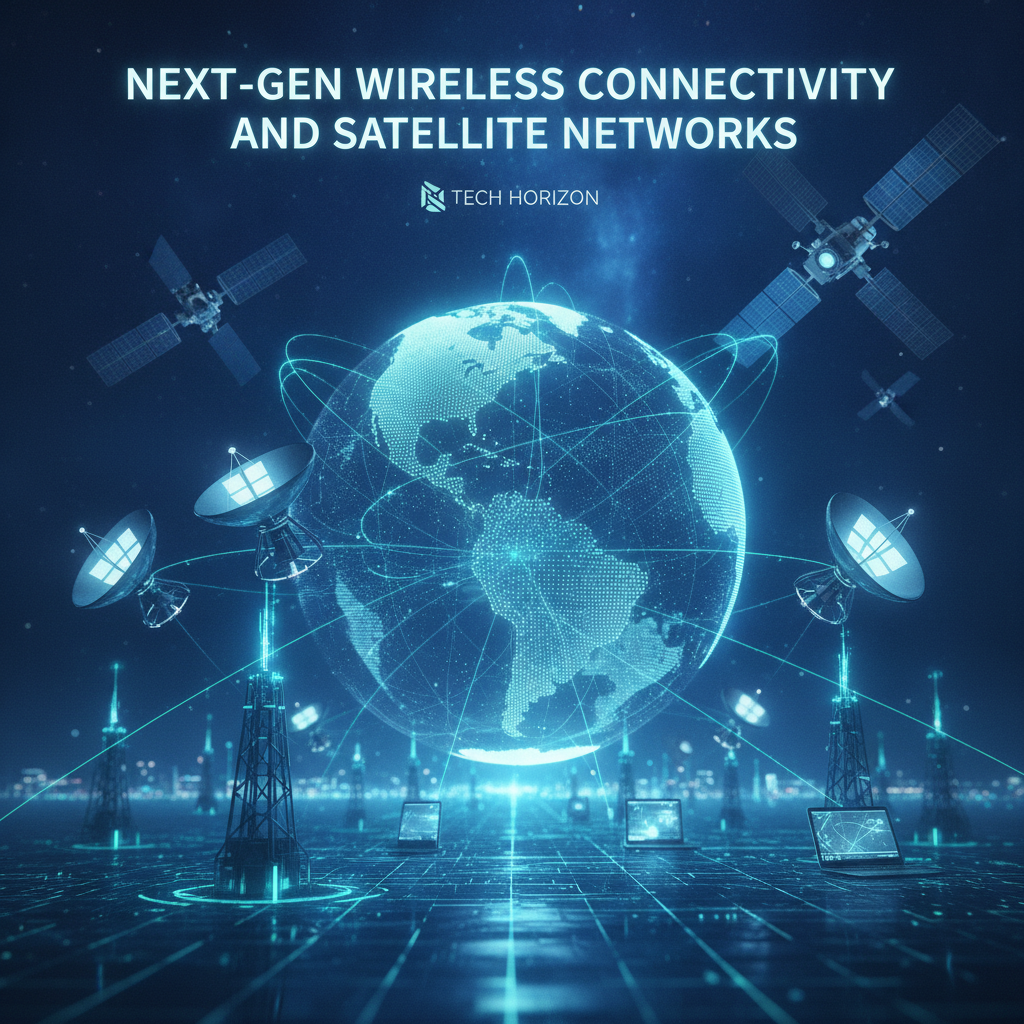
Connecting the World: Next-Gen Wireless & Satellites
Imagine a world where you’re always connected, no matter where you are – on a remote mountaintop, in the middle of an ocean, or even soaring through the clouds. This isn’t science fiction anymore! The future of global connectivity is rapidly unfolding before our eyes, powered by the incredible synergy of next-generation wireless technologies and expansive satellite networks.
The Terrestrial Leap: 5G and Beyond
On the ground, we’ve already witnessed the transformative power of 5G. With its blistering speeds, ultra-low latency, and capacity for connecting millions of devices (the Internet of Things, or IoT), 5G is laying the groundwork for smart cities, autonomous vehicles, and immersive virtual realities. It’s not just about faster phone downloads; it’s about building intelligent infrastructure that responds in real-time.
But the innovation doesn’t stop there. Researchers are already looking towards 6G, envisioning networks that will be even faster, more intelligent, and capable of enabling truly holographic communication, AI-driven personal assistants, and seamless integration of the physical and digital worlds. The sky is truly the limit for what these terrestrial networks can achieve within urban and suburban environments.
Reaching for the Stars: Satellite Networks Ascendant
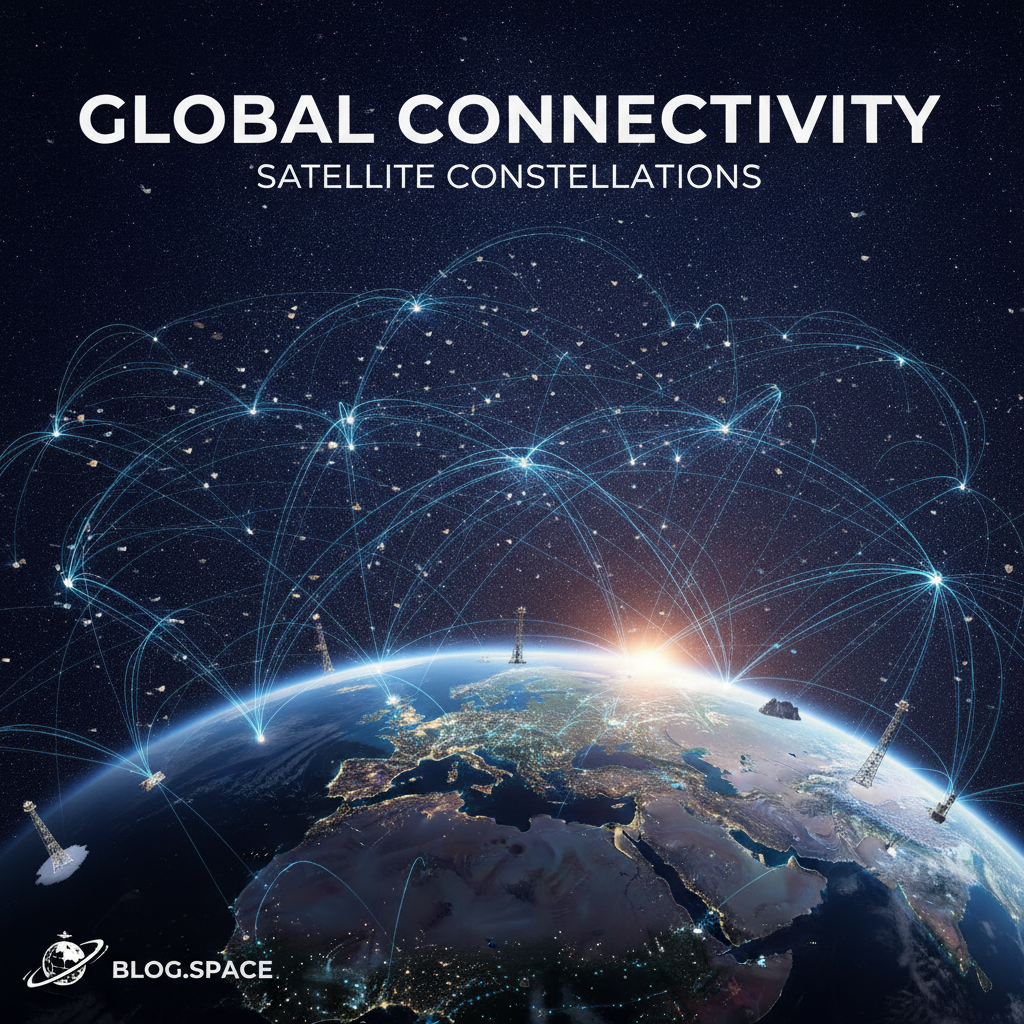
While 5G and its successors supercharge our urban areas, what about the vast stretches of the planet that are underserved or completely unconnected? This is where satellite networks come into play, and they’re more advanced than ever before. Historically, satellites were often associated with high latency due to their distance (Geostationary Earth Orbit or GEO). However, the rise of Low Earth Orbit (LEO) constellations, like Starlink and OneWeb, is a game-changer.
These LEO satellites orbit much closer to Earth, drastically reducing latency and enabling high-speed broadband internet in even the most remote locations. They are effectively extending the reach of the internet to every corner of the globe, bringing education, healthcare, and economic opportunities to previously isolated communities. Medium Earth Orbit (MEO) satellites also play a crucial role, offering a balance of coverage and lower latency for specific applications.
A Unified Network: Seamless Integration
The real magic happens when these two powerful technologies – terrestrial wireless and satellite networks – stop being separate entities and start working together as one unified, intelligent system. Imagine your device seamlessly switching between a local 5G tower and a satellite overhead, ensuring an unbroken connection whether you’re driving through a tunnel, flying on a plane, or hiking in a national park.
This integration will enable unprecedented levels of reliability and coverage. Think about emergency services maintaining critical communication during natural disasters, connected vehicles navigating across vast, unpopulated landscapes, or precision agriculture leveraging real-time data from sensors in remote fields. The combined strength offers a robust, resilient network for the entire planet.
Impact on Our Daily Lives
So, what does all this mean for you? It means truly ubiquitous connectivity. Faster, more reliable internet access will become the norm, even in places where it was once impossible. Remote work and learning will be empowered on a global scale. New applications in fields like augmented reality (AR) and virtual reality (VR) will become accessible to more people, delivering truly immersive experiences anywhere.
From smart homes and connected cars to global IoT deployments and enhanced maritime communications, the integration of next-gen wireless and satellite networks promises to make our world smaller, more connected, and more efficient. It’s an exciting era of innovation that will redefine how we live, work, and interact with the world around us.
The future is bright, and it’s wirelessly connected – from the ground up to the stars above!
“`


Leave a Reply